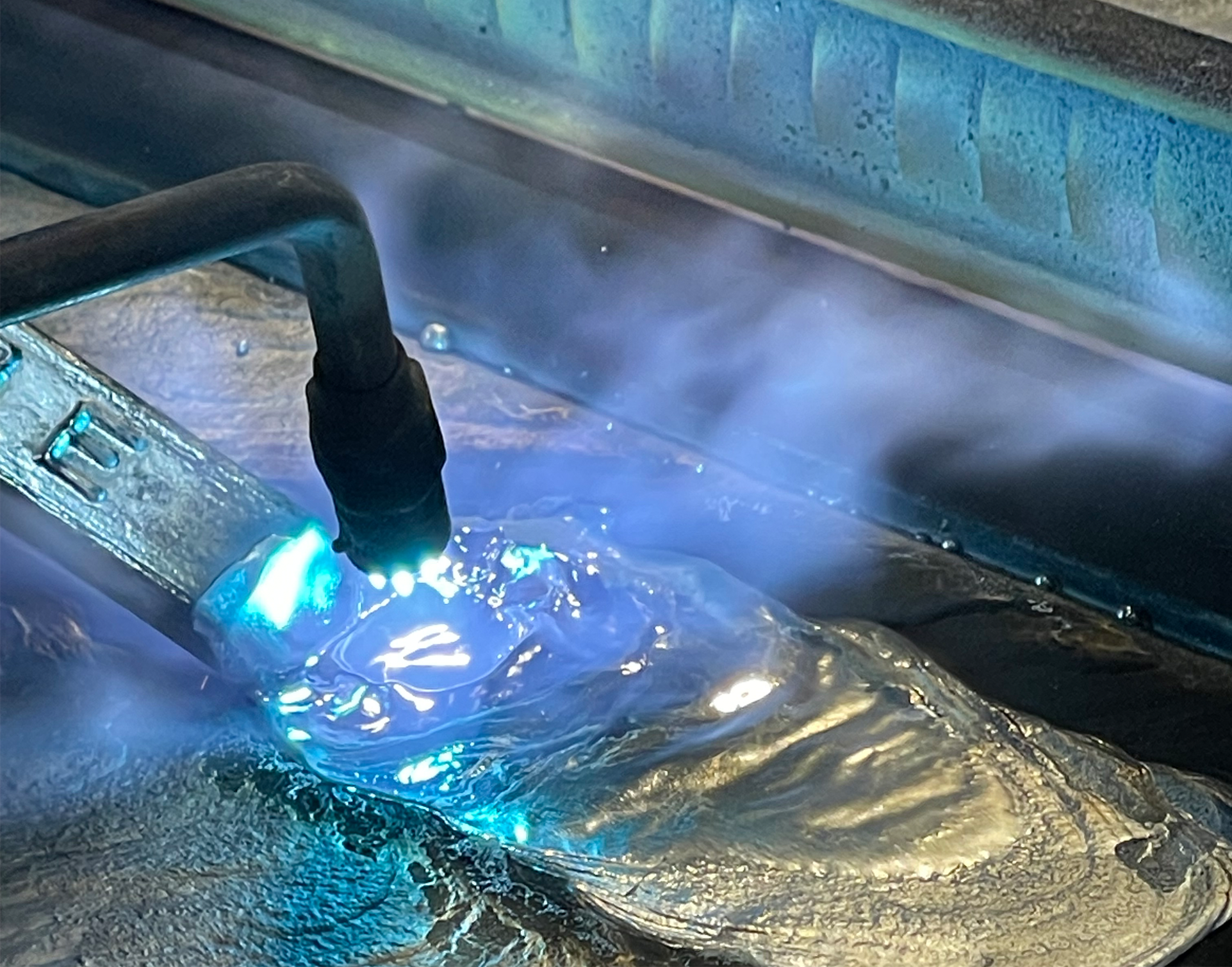
Industrial equipment depends on reliable metal performance. When machinery operates under continuous load, friction, heat, and vibration are unavoidable. In these environments, alloy selection directly affects equipment lifespan, maintenance cycles, and operational stability.
While many industrial alloys offer strength and hardness, not all applications benefit from rigid materials. Bearing systems, in particular, require metals that behave differently under stress. This is where Babbitt metal stands apart.
Understanding how Babbitt metal differs from industrial alloys supports informed material selection. This important decision is based on functional performance rather than assumptions about durability.
People Also Ask (PAAs)
What makes babbitt metal different from other alloys?
Babbitt metal is designed for bearing applications. Its softness allows controlled wear, debris embedment, and shaft protection, unlike harder industrial alloys.
Why is babbitt metal used in bearings instead of harder metals?
Harder metals can damage shafts due to friction. Babbitt metal sacrifices itself to protect higher-value rotating components.
Why Alloy Selection Matters in Industrial Applications
Manufacturers select alloys to balance mechanical demands, operating conditions, and long-term maintenance expectations. In industrial settings, metals must tolerate:
- Continuous rotational movement
- Load fluctuations
- Surface friction
- Heat generation
- Minor misalignment
Choosing an alloy that does not match these realities often leads to premature wear, increased downtime, and costly repairs. The correct alloy supports predictable performance while protecting higher-value components within the system.
What Is Babbitt Metal?
Babbitt metal is a soft, non-ferrous alloy developed specifically for bearing applications. Unlike structural alloys, babbitt is engineered to serve as a sacrificial layer. It absorbs wear, protecting shafts and rotating components.
Babbitt metal is typically composed of:
- Tin-based or lead-based alloys
- Small amounts of antimony and copper
- Carefully controlled compositions for bearing performance
Rather than resisting wear entirely, Babbitt mitigates it through controlled, predictable wear.
How Industrial Alloys Are Typically Designed
Most industrial alloys prioritize hardness and tensile strength. These materials are a common choice for components that must maintain shape under heavy load or resist deformation over time.
Industrial alloys are often designed to:
- Withstand high compressive forces
- Maintain dimensional stability
- Resist corrosion or oxidation
- Support structural integrity
While these characteristics are valuable, they are not always suitable for components subjected to continuous friction or rotation.
Key Properties That Set Babbitt Metal Apart
Babbitting metal behaves differently from conventional industrial alloys because its role is different.
Key properties include:
- Softness and Conformability: Babbitt adapts to minor shaft misalignment without scoring or cracking.
- Embedability: Small debris particles embed in the babbitt surface rather than damaging rotating shafts.
- Low Friction Coefficient: This reduces heat buildup during operation.
- Sacrificial Wear Behaviour: Babbitt wears before critical components do, simplifying maintenance.
These characteristics make babbitt metal well-suited for bearing applications where surface interaction matters more than raw strength.
Babbitt Metal vs. Common Industrial Alloys
Comparing Babbitt metal to standard industrial alloys highlights why they are not interchangeable.
Babbitt metal:
- Designed for bearing surfaces
- Absorbs wear and friction
- Protects shafts and journals
- Supports predictable maintenance cycles
Common industrial alloys:
- Designed for structural or load-bearing roles
- Resist deformation rather than wear
- Can damage mating components if used in bearings
- Often require tighter alignment tolerances
Using a hard alloy when babbitt is required can accelerate failure rather than prevent it.
Why Harder Is Not Always Better in Bearing Application
Hard metals resist wear, but when friction occurs, the damage often transfers elsewhere in the system. In bearing assemblies, this typically means shaft damage, scoring, or deformation of higher-cost components.
Lead-based Babbitt metal reduces this risk by:
- Allowing controlled surface wear
- Minimizing friction-induced heat
- Preventing metal-to-metal scoring
- Supporting smoother startup and shutdown cycles
In bearing systems, managed wear often leads to longer equipment life than rigid resistance.
How Babbitt Fits Into Modern Industrial Maintenance Strategies
Modern industrial maintenance focuses on minimizing unplanned downtime and extending asset life. Babbitt metal aligns with these goals by enabling:
- Easier bearing refurbishment
- Lower replacement costs compared to shaft repair
- Predictable wear patterns
- Reduced risk of catastrophic failure
Rather than replacing entire assemblies, maintenance teams can partner with Babbitt metal suppliers to re-babbitt bearings and restore performance efficiently.
Also Read:
Can Babbitt Be Used As a Metalizing Material?
Why Babbitt Metal is the Go-To Choice for Mining Equipment
What are the common signs that a Babbitt bearing needs repair?
Understanding the Purpose-Built Role of Babbitt Metal
Babbitt metal is not a weaker alternative to industrial alloys. It is a purpose-built material for a specific function. Its softness, adaptability, and sacrificial nature make it ideal for bearing systems where protection and longevity matter more than hardness alone.
This material stands apart from industrial alloys because it is engineered for interaction rather than resistance. In bearing applications, controlled wear protects critical components and simplifies maintenance.
Selecting babbitt metal where appropriate supports reliability, serviceability, and long-term operational stability across industrial applications. For organizations evaluating Babbitt metal solutions for industrial use, understanding material intent is the first step toward informed selection.
Contact Canada Metal North America to learn more about lead Babbitt metal solutions and applications across industries.