Radiation is invisible, but its effects on the human body are not. Depending on the level and duration of exposure, ionizing radiation can cause skin reddening, tissue damage, increased cancer risk, and in extreme cases, life-threatening organ failure. Protecting people who work near radiation sources — and the public who benefit from them — is not optional. It’s engineered into every facility, every procedure, and every piece of equipment where radiation is present.
The applications of radiation are broader than most people realize. Medicine relies on it for X-ray imaging, CT scanning, cancer treatment, and nuclear medicine. Scientific research uses it in particle accelerators, research reactors, and materials analysis. Industry applies it for non-destructive weld inspection, density measurement, and product sterilization. Agriculture uses radiation for food safety and pest control. Security and law enforcement depend on it for cargo screening and border inspection. Mining uses it for borehole analysis. Nuclear power plants require it at every stage of operation. And in space exploration, shielding protects both crew and sensitive electronics from solar and cosmic radiation.
The requirements for radiation protection across all these sectors are correspondingly diverse — and uncompromising.
Lead has been the material of choice for radiation shielding for over a century, and for good reason. Its high density and atomic structure make it exceptionally effective at absorbing X-rays and gamma radiation, the two most common types requiring protection in medical, industrial, and nuclear environments. A few millimetres of lead can provide the same protection as many centimetres of concrete — a meaningful advantage when space, weight, and cost all matter.
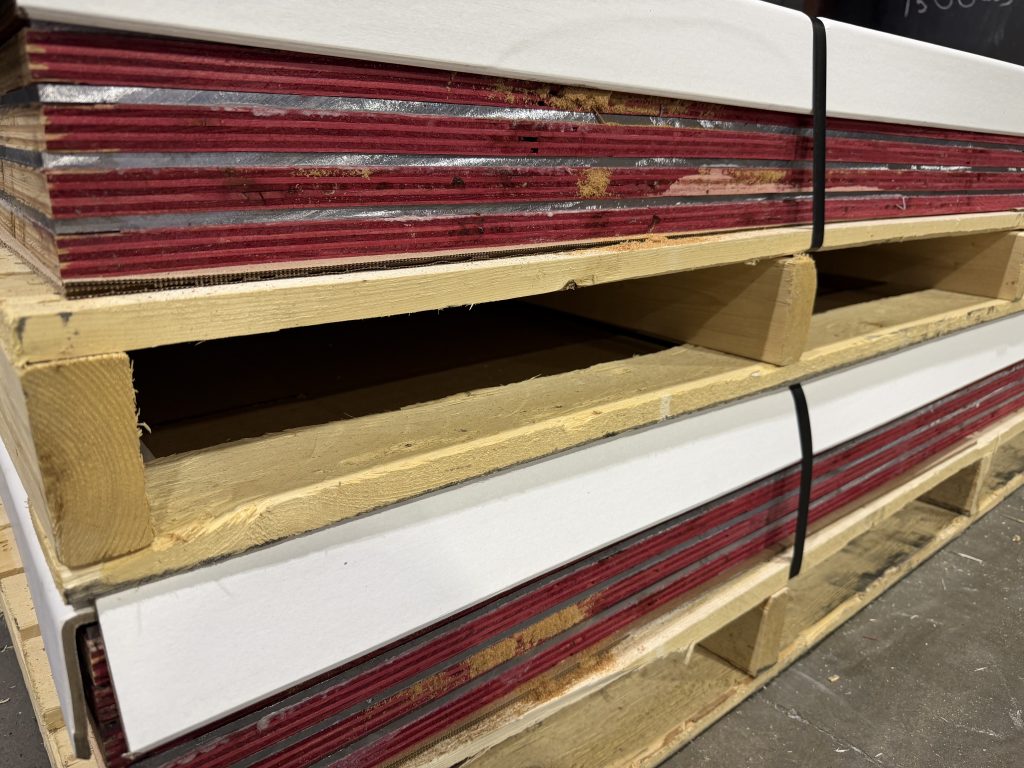
Lead is also highly workable. It can be cast, rolled, extruded, and formed to virtually any shape or thickness — from thin sheet bonded to drywall for hospital construction, to precision-cast bricks for research labs, to large poured structures for nuclear storage and transport applications.
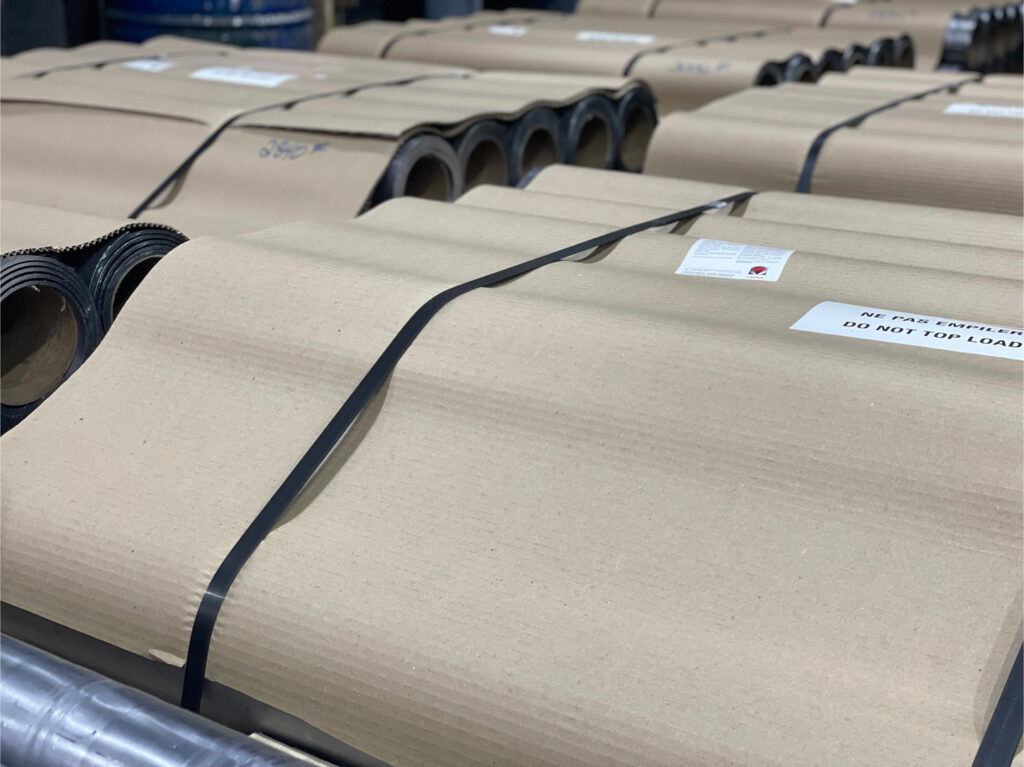
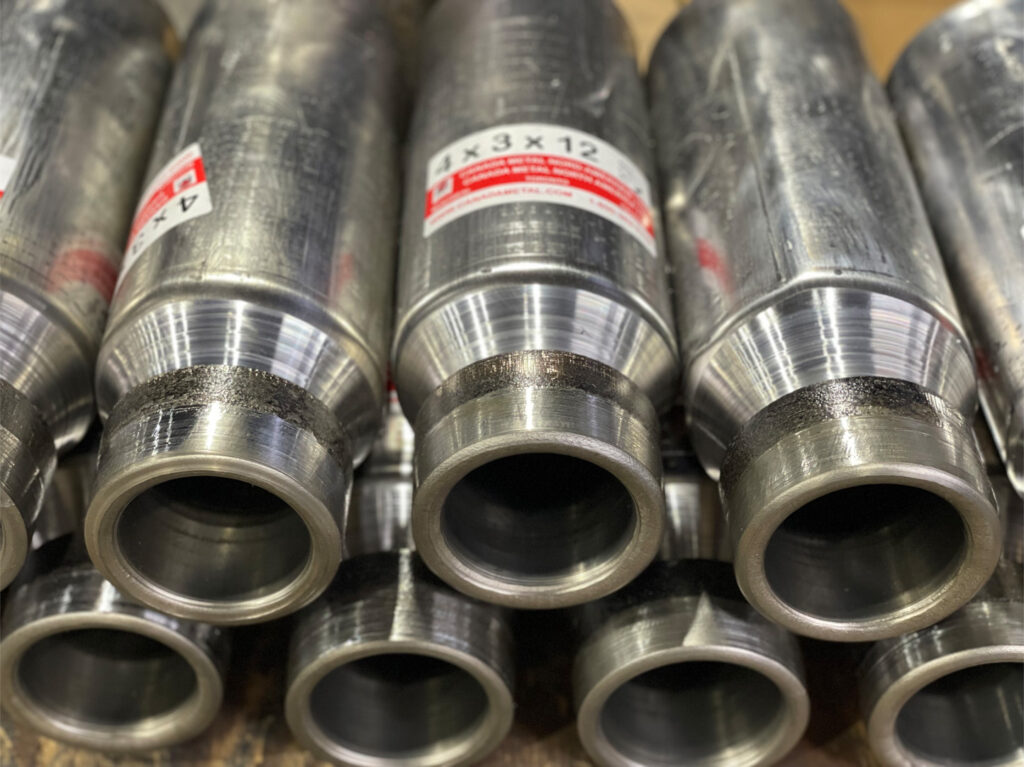
At Canada Metal North America, we manufacture radiation shielding products to exacting specifications, with complete material traceability and ISO 9001:2015 certification. When the application demands it, our products also meet CSA N299.3 requirements for the nuclear industry.
It is the use of specially designed shielding products and materials that are fundamental across all industries for radiation protection.
Examples of real-world applications of lead shielding for radiation and products include those used by hospitals, dental clinics, laboratories, nuclear facilities, and in the transportation of radioactive materials, to name a few. By way of example, radiation protection is assured by such lead products as:
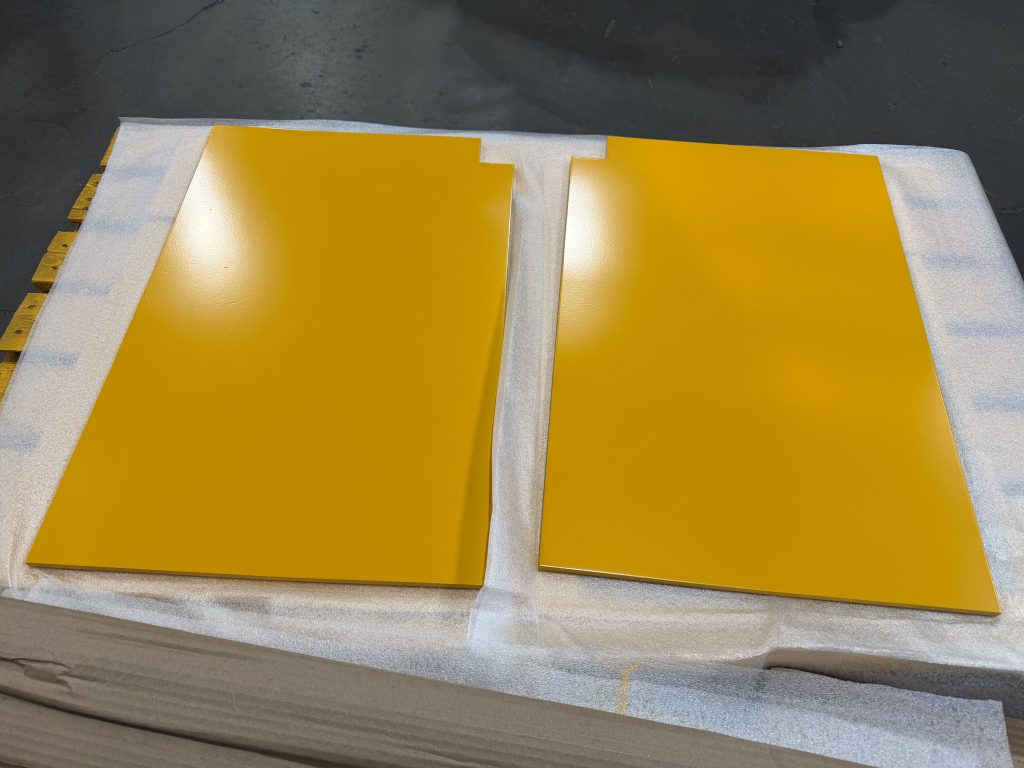
- Lead shielding
- Lead lining
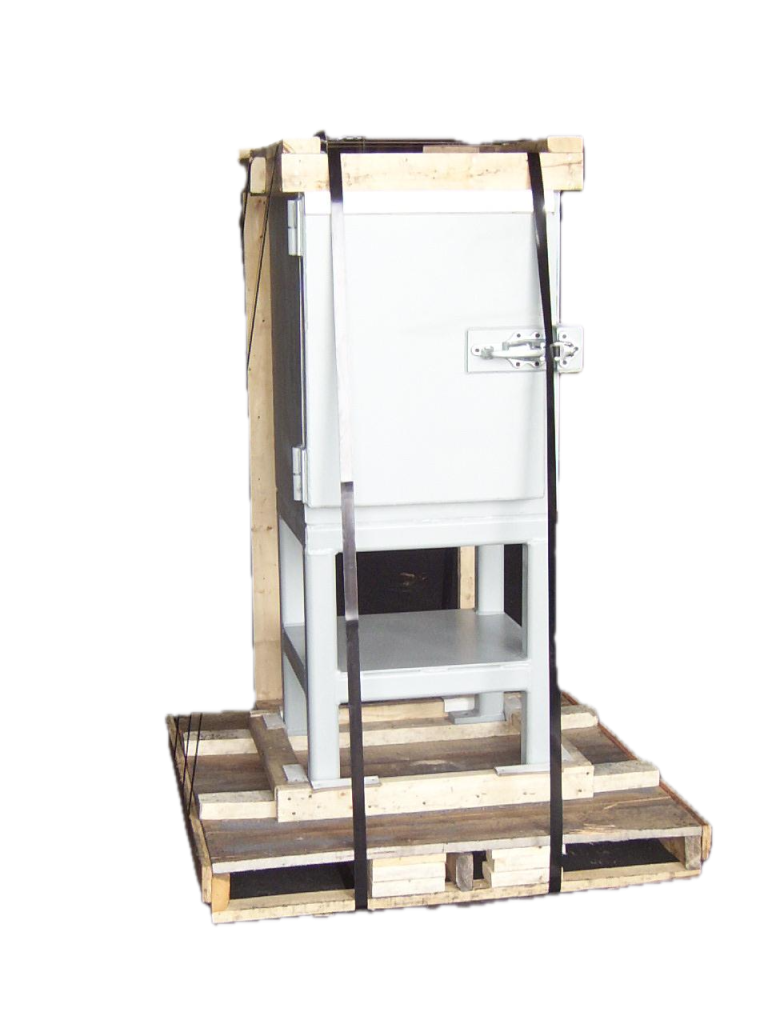
- Lead cabinets
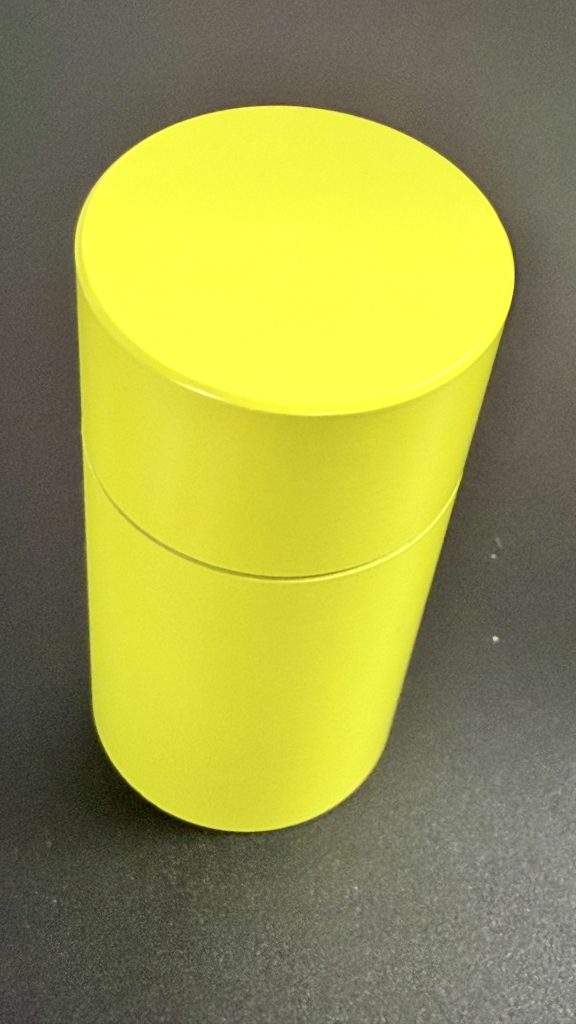
- Lead containers
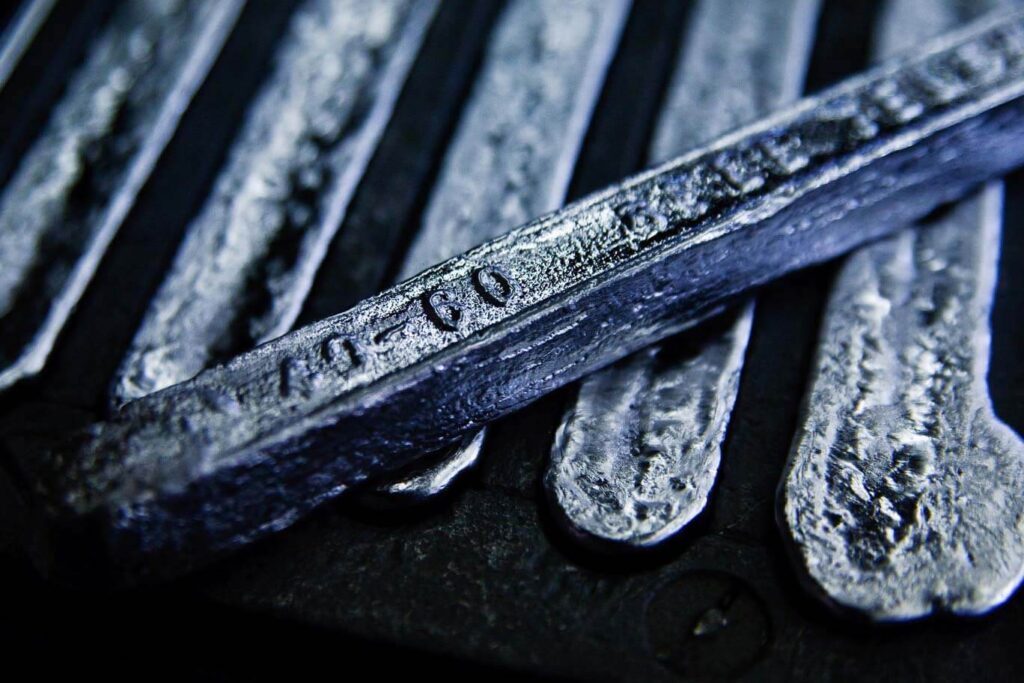
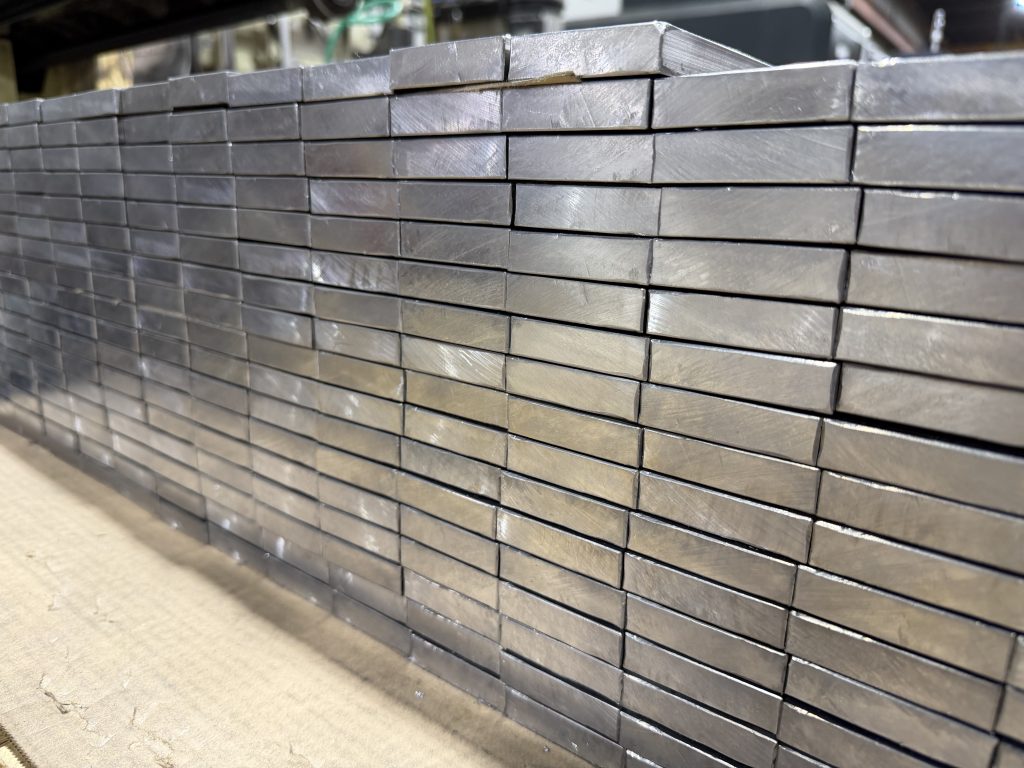
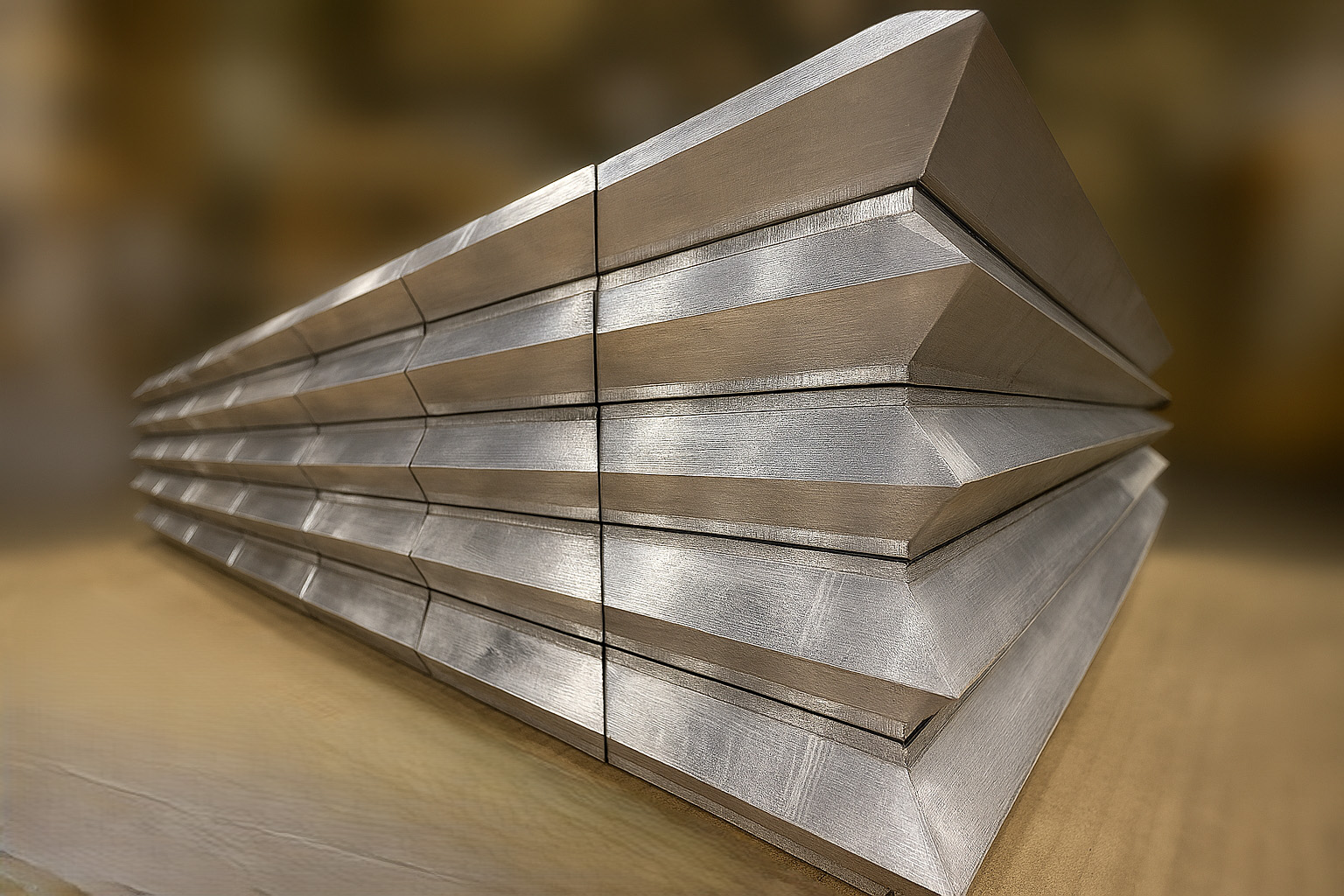
- Lead bricks
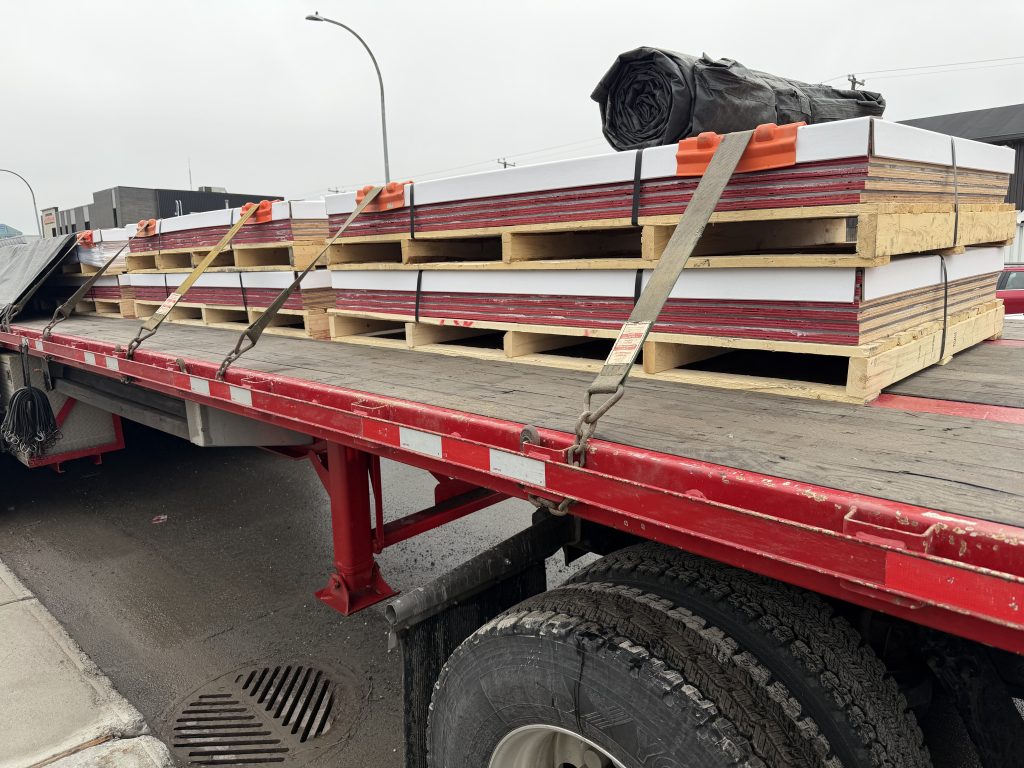
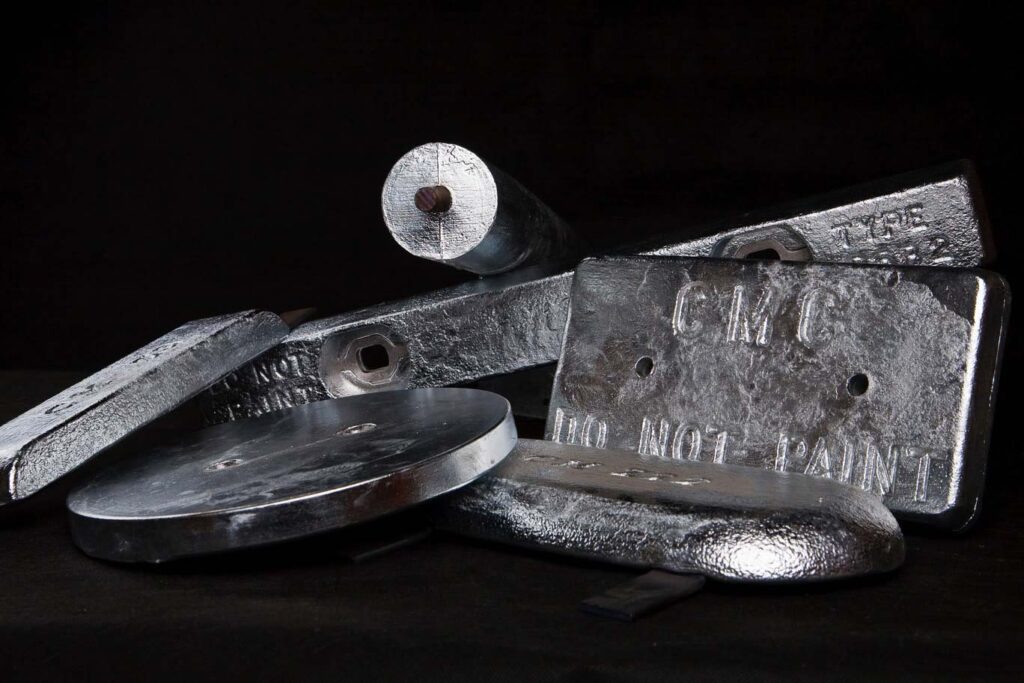
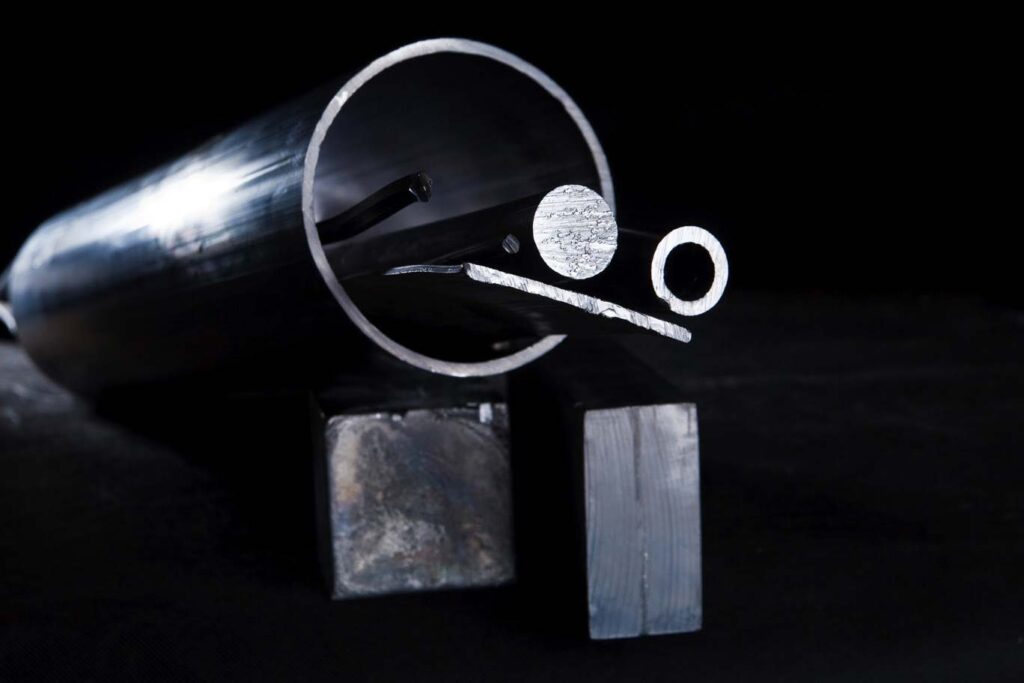
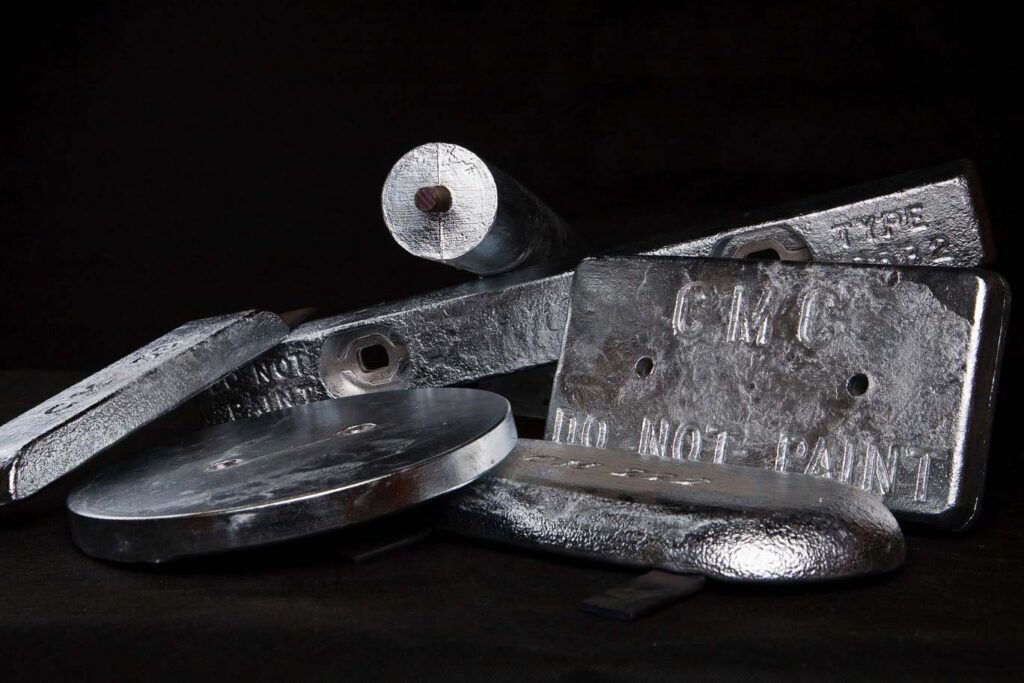
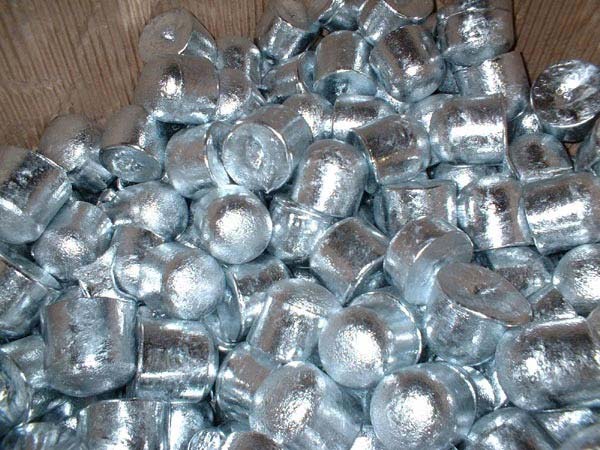
The range of products used in radiation shielding includes partitions and walls, doors, mobile screens and structures, lead bricks, windows and window frames, and more. Lead is one example of a predominantly used material for radiation shielding, but other metals such as cadmium also offer unique properties and applications.
Regardless of how demanding or specialized the need, Canada Metal has the expertise and capabilities to fulfill any requirement for radiation shielding including lead bricks shielding and nuclear shielding.
For more information, and to discuss the special needs of your business or industry, for radiation shielding or for other metals and metal products, Canada Metal welcomes all inquiries.