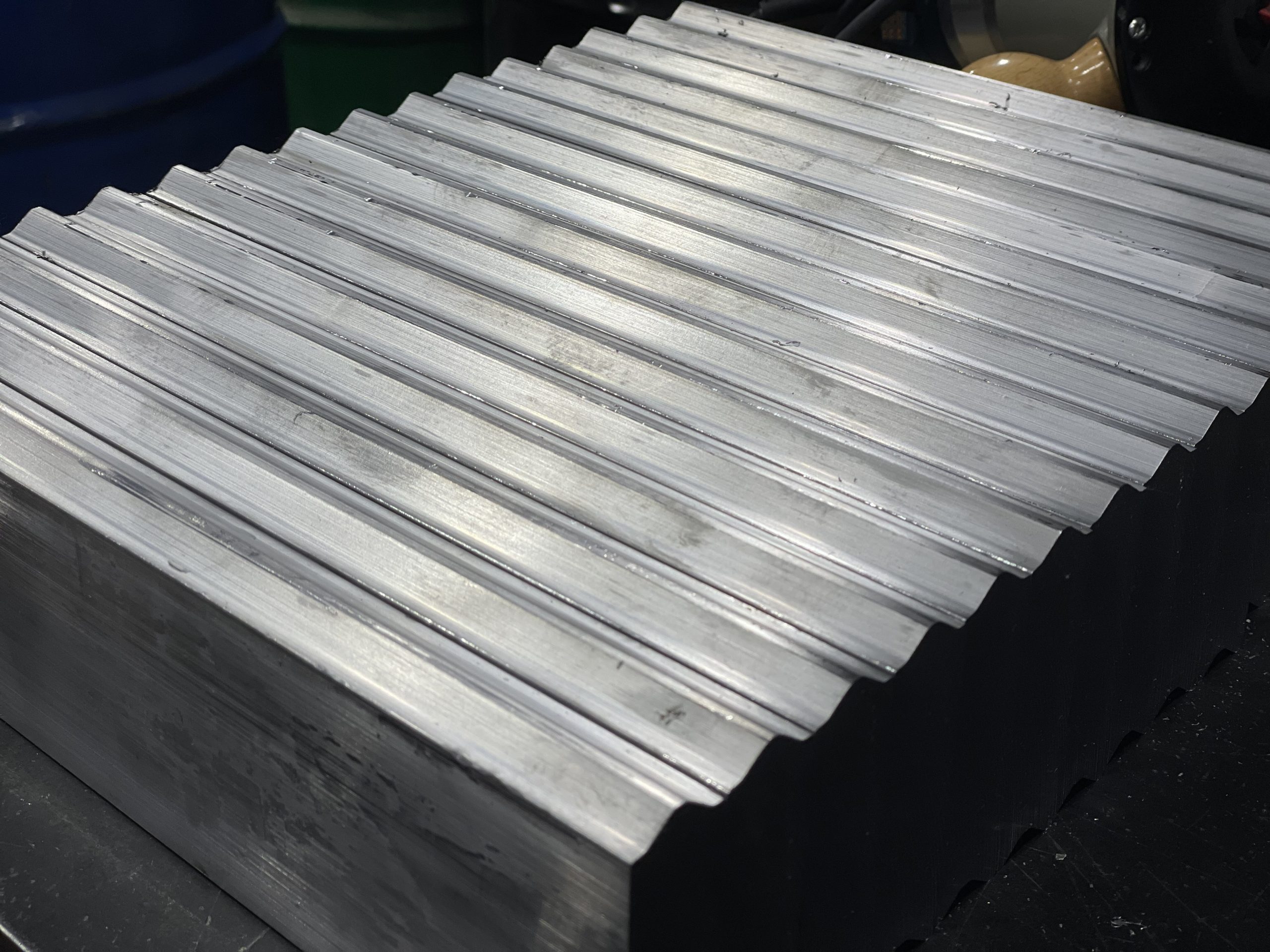
Precision matters when shielding performance is on the line. Even small gaps or inconsistencies in material selection can reduce protection, disrupt operations, or increase long-term costs. Many industrial and scientific environments depend on materials that deliver consistent density, durability, and reliability under demanding conditions.
Lead blocks continue to play a critical role in these environments. Their structure and properties support effective shielding, flexible installation, and long-term performance across a wide range of applications.
People Also Ask (PAAs)
What are lead blocks used for in radiation shielding?
Lead blocks are used to absorb and reduce radiation exposure in environments such as medical facilities, nuclear sites, and industrial testing areas. Their density helps limit radiation penetration and supports safe operations.
How do lead blocks compare to lead sheets?
Lead blocks provide structural stability and modular flexibility, while lead sheets are better suited for lining surfaces and covering large or curved areas. The choice depends on the application and installation requirements.
What Are Lead Blocks?
Lead blocks are dense, solid forms of lead manufactured into uniform shapes such as bricks or rectangular units. These blocks are designed for easy stacking, arrangement, and integration into shielding systems
They are commonly produced in standardized sizes but can also be customized for specific project requirements.
Key characteristics include:
- High density for effective radiation attenuation
- Uniform shape for consistent installation
- Stackable design for modular shielding systems
- Compatibility with structural and containment systems
Why Lead Remains a Preferred Shielding Material
Lead has remained a widely used shielding material due to its unique physical characteristics. Its density allows it to absorb and block radiation more effectively than many alternative materials.
Reasons lead continue to be used:
- High atomic number supports strong radiation absorption
- Density helps reduce material thickness requirements
- Malleability allows shaping for different configurations
- Proven performance across medical, nuclear, and industrial settings
These properties make lead blocks especially useful for consistent shielding over time.
Lead Blocks vs Other Lead Forms
Lead is available in several forms, including sheets, rolls, and custom cast components. Lead blocks offer specific advantages depending on the application.
Lead Blocks:
- Provide structural stability in stacked configurations
- Allow modular expansion or reconfiguration
- Reduce the need for additional framing in some setups
Lead Sheets:
- Better suited for lining walls or curved surfaces
- Easier to cut and shape on-site
Lead Castings:
- Designed for complex geometries
- Often used in specialized equipment
Selecting the right form depends on installation requirements, shielding goals, and design constraints.
Where Lead Blocks Are Commonly Used
Lead blocks are widely used in environments where shielding performance and flexibility are essential.
Common applications include:
- Medical facilities for radiation therapy rooms and imaging areas
- Nuclear facilities require containment and shielding structures for safe operations
- Industrial testing environments using radiographic inspection
- Research laboratories handling radioactive materials
- Temporary shielding setups for maintenance or upgrades
Their modular nature allows them to be repositioned or expanded as operational needs evolve.
Important Considerations When Selecting Lead Blocks
Selecting lead bricks or modular blocks involves more than choosing size and quantity. Several factors influence overall performance and compatibility.
Key considerations:
- Required thickness based on radiation type and intensity
- Block dimensions and weight for handling and installation
- Surface finish and tolerances for proper alignment
- Compliance with industry regulations and safety standards
- Integration with surrounding materials and structures
Careful planning helps avoid installation challenges and ensures consistent shielding effectiveness.
Also Read:
How Lead Metal Compares to Other Metals in Radiation Shielding
Why Are Lead Bricks the Backbone of Radiation Shielding Solutions?
How Modern Sheet Lead Installation Compares to Outdated Practices
How Lead Blocks Support Custom Shielding Design
Lead blocks continue to serve as a dependable solution for industrial and radiation shielding applications. Their density, modular design, and adaptability support consistent performance across a range of environments.
These blocks support customized shielding solutions by allowing flexible configurations. Their modular design makes it easier to adapt to structural limitations or changing requirements.
Benefits of custom design:
- Adjustable layouts for irregular spaces
- Scalable systems for future expansion
- Compatibility with layered shielding approaches
- Reduced fabrication complexity compared to fully custom components
This flexibility makes lead blocks a practical choice in both permanent and temporary shielding systems.
For projects requiring reliable shielding materials and flexible configurations, exploring engineered lead block solutions can support long-term operational goals.