Electroplating systems often struggle with uneven metal distribution, inconsistent current flow, and material inefficiencies. These challenges can reduce coating quality and increase operational costs. Material selection plays a critical role in addressing these issues.
Among the available options, zinc balls offer a consistent and practical approach to improving process stability and performance in both electroplating and corrosion protection systems.
People Also Ask (PAAs)
What are zinc balls used for in electroplating?
Zinc balls are used as a source of zinc in electroplating systems. They dissolve into the electrolyte solution and provide zinc ions that form protective coatings on metal surfaces.
Why are zinc balls preferred over other zinc forms?
Zinc balls offer a uniform shape that supports uniform dissolution, improved electrolyte flow, and a consistent ion supply. This helps improve plating efficiency and coating quality.
Why Material Form Matters in Zinc-Based Systems
In zinc-based applications, material composition is only one part of the equation. The physical form of zinc directly impacts how it behaves during use.
Key considerations include:
- Surface area exposure to electrolytes
- Uniformity of dissolution during operation
- Flow and movement within plating baskets or tanks
- Contact efficiency within the system
Irregular shapes can create inconsistencies. Flat or uneven materials may stack, restrict flow, or dissolve unpredictably. This leads to variations in plating thickness and system inefficiencies. Selecting the appropriate zinc form supports consistent process control and operational stability.
What Are Zinc Balls in Electroplating Systems?
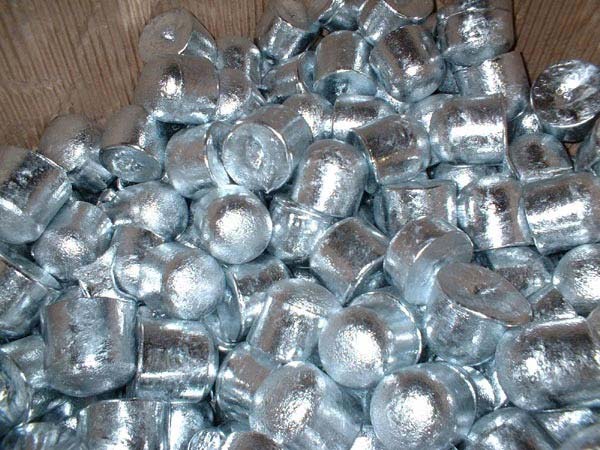
Zinc balls are semi-spherical forms of high-purity zinc designed for use in electroplating and corrosion protection systems.
They are typically characterized by:
- Consistent shape
- High material purity
- Smooth surface finish
- Reliable dissolution properties
The semi-spherical design ensures predictable behaviour during use. This allows operators and engineers to maintain stable operating conditions without frequent adjustments.
How Zinc Functions in Electroplating Systems
Zinc is widely used in electroplating to create protective coatings on metal surfaces. It acts as a sacrificial layer that helps prevent corrosion.
In electroplating systems:
- Zinc dissolves into the electrolyte under controlled electrical conditions
- Electrical current drives zinc ions onto the target surface
- A uniform coating forms on the substrate
The effectiveness of this process depends on several factors:
- Consistent ion supply
- Stable electrical conductivity
- Even distribution of zinc within the bath
Any disruption in these factors can lead to poor coating adhesion or uneven coverage.
Why Shape Matters: The Advantage of Zinc Balls
The semi-spherical shape of zinc balls offers several operational advantages over irregular or flat zinc forms.
Key benefits include:
- Even Dissolution Rates: The shape dissolve more uniformly compared to uneven shapes. This helps maintain a steady supply of zinc ions.
- Improved Packing Efficiency: Zinc balls settle naturally within baskets, reducing voids and ensuring better contact.
- Enhanced Electrolyte Flow: The spaces between spheres allow smoother liquid flow. This improves ion transfer and system performance.
- Reduced Material Bridging: Flat or irregular materials can stack, restricting flow. Spherical shapes minimize this risk.
These factors contribute to more predictable and controlled electroplating conditions.
Improving Electroplating Efficiency with Zinc Balls
Efficiency in electroplating systems depends on maintaining stable conditions over time. Zinc anode balls help achieve this by supporting uniform material usage.
Ways zinc balls improve efficiency:
- Stable Ion Concentration: Uniform dissolution helps maintain consistent zinc levels in the electrolyte.
- Reduced Maintenance Interruptions: Predictable material behaviour minimizes the need for frequent adjustments.
- Better Coating Uniformity: Consistent ion flow yields uniform plating thickness across components.
- Lower Material Waste: Controlled dissolution reduces excess consumption and uneven degradation.
- Improved Current Distribution: Balanced contact points enhance system-wide electrical performance.
Together, these benefits help improve operational reliability while maintaining coating quality.
Role of Zinc Balls in Industrial Corrosion Protection Systems
Zinc is widely used for corrosion protection because of its sacrificial properties. It protects underlying metals by corroding first.
In corrosion protection systems, zinc balls contribute by:
- Providing a steady source of zinc material
- Supporting uniform coverage in protective coatings
- Enhancing system stability in galvanizing and related processes
Industries that rely on corrosion protection include:
- Infrastructure and construction
- Manufacturing and fabrication
- Transportation and equipment production
- Energy and utility systems
Consistent zinc performance helps extend the lifespan of metal components and reduce maintenance requirements.
Key Factors to Consider When Selecting Zinc Balls
Selecting the right zinc balls requires attention to several technical factors
Important considerations include:
- Purity Levels: High-purity zinc supports better plating results and reduces contamination risks.
- Size Consistency: A uniform shape ensures predictable packing and dissolution behaviour.
- Surface Condition: Smooth surfaces improve contact and reduce irregular dissolution.
- Application Compatibility: Different systems may require specific sizes or compositions.
- Operational Environment: Temperature, electrolyte composition, and current density all influence performance.
Careful selection helps align material properties with system requirements.
Also Read:
Zinc Anodes In The Oil And Gas Industry
How to Use Zinc Anodes to Your Advantage in the Marine Industry?
Supporting Reliable Zinc-Based Systems with the Right Materials
Material form plays a critical role in how zinc performs in electroplating and corrosion protection systems. Zinc balls help improve consistency, reduce inefficiencies, and support stable operating conditions. Their uniform structure allows better control over dissolution, flow, and coating performance
Electroplating and corrosion protection systems depend on stability, precision, and reliability. Variations in material form can introduce inefficiencies that affect output quality and operational performance.
Zinc balls provide a structured approach to material use. Their uniform shape, predictable behaviour, and compatibility with industrial systems make them a practical choice for maintaining consistent results.
Businesses seeking dependable materials for zinc-based applications can contact Canada Metal North America for zinc metal spheres that support long-term efficiency and system reliability.