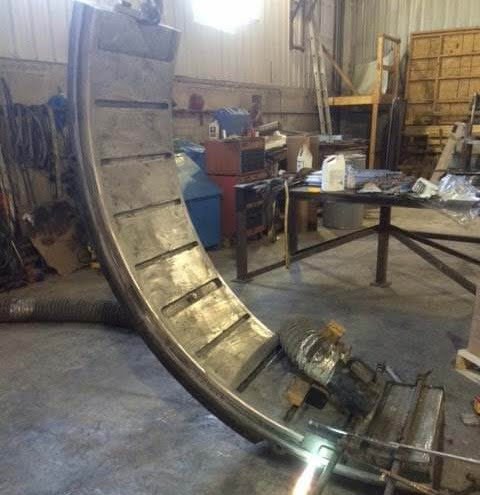
Send a babbitt bearing repair enquiry with all the right details, and it moves a lot faster. Leave out something as simple as the bearing size or your required turnaround, and that is usually what holds the quote up while the shop circles back to ask. This blog walks through the five details worth including before you reach out: bearing type and size, the equipment it serves, the current alloy or grade if known, required turnaround, and any custom requirements or drawings. A babbitting provider such as Canada Metal North America can typically quote accurately on the first pass once it has those five details.
People Also Ask
Can a babbitt bearing be repaired without removing it from the equipment?
In most cases, the bearing must be removed for accurate inspection and rebabbitting, though some shops offer field service for larger installations.
How long does a typical repair take?
Turnaround varies by bearing size and shop schedule, which is why stating required turnaround time in the enquiry helps set realistic expectations.
Why Complete Details Matter Before a Babbitt Bearing Repair Starts
A babbitt bearing repair service relies on accurate information before it can confirm scope, price, or turnaround. Without enough detail, a shop can only offer a rough estimate that may change once the bearing arrives for inspection, and a worn babbitt bearing repair that was quoted too quickly often needs re-quoting once the part is on the bench.
- Bearing Type and Size
Start with the bearing type, such as a sleeve, journal, or thrust bearing, along with its dimensions. Inside diameter, outside diameter, and length are the measurements a shop needs most. If exact dimensions aren’t available, the original equipment manufacturer’s part number can help a shop start scoping the work.
- The Equipment and Application the Bearing Serves
Identify the machine the bearing supports, such as a turbine, compressor, motor, or mill drive, along with its typical operating speed and load. This context helps the shop confirm whether a babbitt bearing relining using the existing alloy is still appropriate, or whether conditions call for a different grade.
- The Current Babbitt Alloy or Grade, If Known
If the current alloy or ASTM B23 grade is documented anywhere, include it in the enquiry. This is one of the most useful bearing repair requirements a buyer can provide, since it lets the shop confirm whether to match the existing specification or recommend a change based on how the bearing has performed in service. When the grade is not known, say so rather than guessing. A shop offering rebabbitting services can usually identify the alloy during inspection.
- Required Turnaround Time
State the turnaround the repair needs to meet, including whether the request is routine maintenance or an urgent, unplanned repair. A shop may need to confirm whether rush service is available before committing to a date, and a specific deadline helps it plan machining and casting time around other jobs already in the queue.
- Custom Requirements or Drawings
Include any drawings, tolerances, or custom requirements tied to the bearing, especially for non-standard sizes or specialty applications. Drawings reduce the risk of a mismatched fit. If no formal drawing exists, photos of the worn bearing and its housing, with key measurements, can often substitute.
What Missing Details Can Do to a Repair Schedule
Gathering these five details before reaching out pays off twice over: it gets a faster, more accurate quote, and it keeps the actual repair on schedule once the work begins. A provider such as Canada Metal North America can typically move straight from enquiry to quote once those basics are in hand, rather than losing time to back and forth. The same alloy and grade decisions that shape this enquiry feed into the broader selection process covered in Babbitt Metal for Industrial Bearings: Grades, Formats, and How to Specify the Right Babbitt Material. A few extra minutes spent on the enquiry is a small price for a repair that moves on schedule from the first call.
Frequently Asked Questions
What happens if I do not know the current babbitt alloy on my bearing?
A shop offering rebabbitting services can typically identify the existing alloy during inspection, so note the uncertainty in the enquiry rather than guessing at a grade.
Is a formal drawing required to request a repair quote?
No. Photos of the worn bearing with key measurements can often support an initial quote, though a drawing helps for non-standard or custom sizes.
Why does turnaround time need to be specified upfront?
Turnaround affects how a shop schedules casting and machining work, so stating the deadline early helps confirm whether standard or rush service applies.