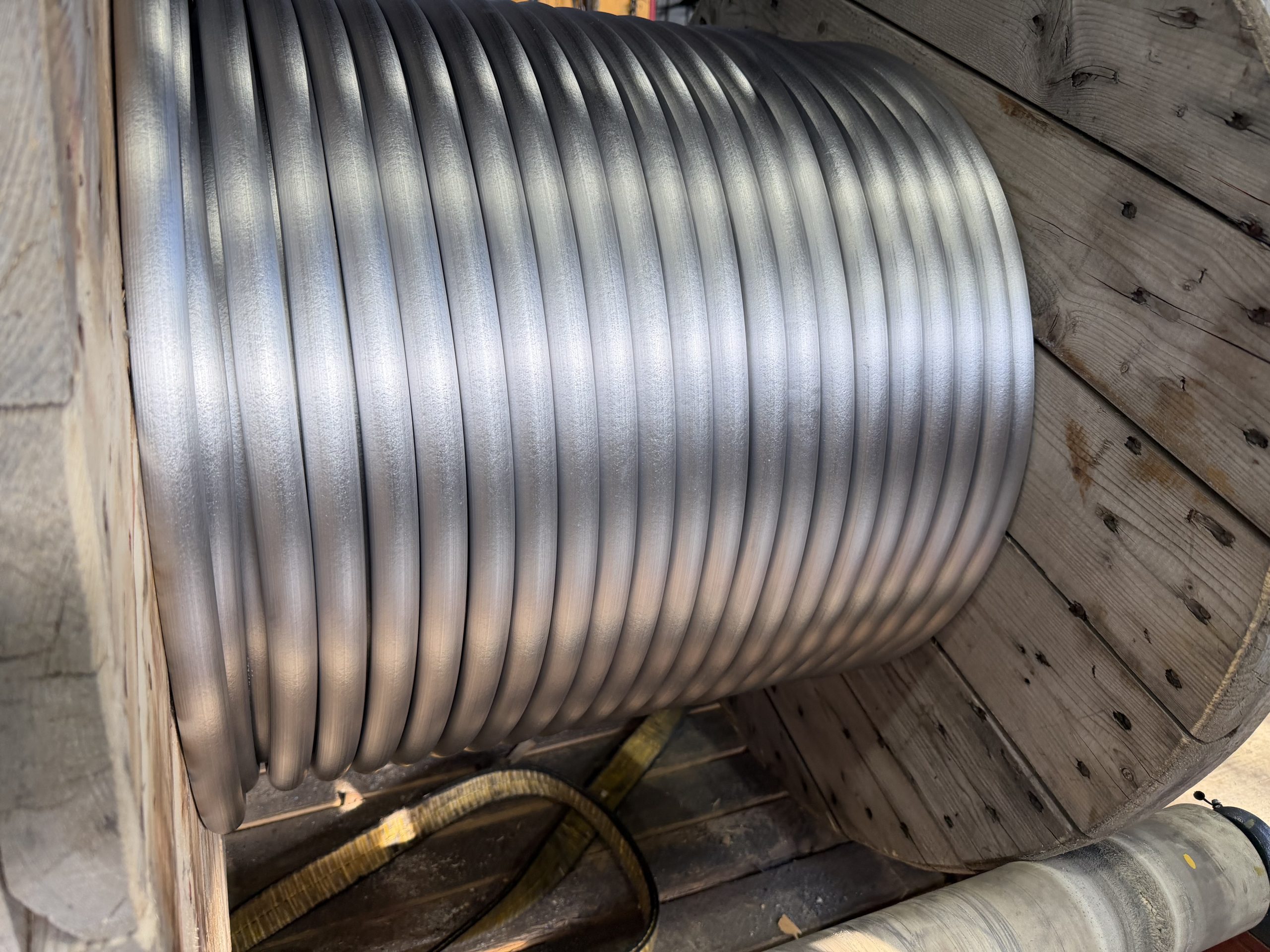
Understanding Lead Metal Procurement
Industrial procurement decisions involving lead metal affect compliance, operational continuity, and material reliability. Selecting inconsistent alloy grades or undocumented materials can create regulatory and supply chain risks.
Procurement teams increasingly prioritize traceability, certification, and consistent sourcing when evaluating industrial lead metal suppliers. As a holder of ISO 9001:2015 and CSA N299.3-2016 (as a supplier to the nuclear sector), Canada Metal North America supports these requirements through documented material processes and a reliable supply of lead metal.
The Role of Lead Metal in Industrial Applications
Lead metal remains widely used in industrial applications because of its density, corrosion resistance, and formability. Many industries rely on lead for manufacturing processes that require controlled weight distribution, shielding performance, or durable industrial components.
Consistent alloy composition helps maintain predictable performance during fabrication and installation. Material consistency also helps reduce operational variability during production.
Balancing Performance and Environmental Responsibility
Procurement teams increasingly evaluate environmental handling practices alongside technical specifications. Industrial buyers often assess recycling programs, material recovery processes, and waste management procedures before approving suppliers.
Responsible sourcing practices support long-term operational planning and regulatory alignment. Environmental accountability has become an important consideration across industrial procurement strategies.
People Also Ask (PAAs)
What factors do procurement teams consider when sourcing lead metal?
Procurement teams typically evaluate alloy consistency, compliance documentation, traceability standards, supply reliability, and material certifications when sourcing industrial lead metal.
Why is traceability important in industrial lead metal procurement?
Traceability helps procurement teams verify the origin of materials, compliance status, and quality records. It also supports audit preparation and regulatory alignment across industrial operations.
Navigating Lead Metal Compliance Requirements
Lead metal compliance requirements continue to evolve across industrial sectors. Procurement teams must monitor changing provincial regulations, workplace safety requirements, and documentation standards throughout the sourcing process.
Maintaining updated compliance records helps reduce supply disruptions and audit-related risks. Canada Metal North America supports industrial buyers through consistent documentation and traceability practices.
Safety Guidelines and Material Handling
Workplace regulations require strict handling procedures for lead-containing materials. Industrial projects involving lead metal often require documented handling protocols, worker protection measures, and material safety documentation.
Procurement teams frequently verify that suppliers provide updated compliance records before approving material purchases. Consistent documentation helps support safer material handling practices across industrial environments.
Global Compliance Standards Affecting Procurement
International hazardous substance regulations can influence sourcing decisions for procurement teams. Imported materials may require additional certification records and compliance verification before approval.
Procurement teams often evaluate the accuracy of documentation alongside alloy performance specifications. Regulatory alignment has become increasingly important for organizations managing international supply chains.
How Procurement Teams Evaluate Lead Metal Suppliers
Selecting industrial lead metal suppliers requires more than reviewing pricing or inventory availability. Procurement teams typically assess alloy consistency, traceability standards, quality documentation, and supply reliability before approving lead suppliers. Structured supplier evaluations help reduce operational risks and support long-term procurement stability.
Assessing Material Consistency and Documentation
Consistent alloy composition plays an important role in industrial manufacturing processes. Procurement teams often request material certifications, test documentation, and traceability records before finalizing purchases.
Reliable documentation helps confirm compliance with operational and regulatory requirements. Material verification also supports internal audit preparation and long-term supplier accountability.
Evaluating Supply Reliability and Operational Support
Industrial procurement schedules often depend on stable fulfillment timelines and transparent inventory management. Delayed deliveries or incomplete documentation can disrupt production planning and increase operational costs.
Procurement teams generally prioritize suppliers capable of maintaining predictable lead times and organized material tracking systems. Supply consistency supports better coordination across manufacturing and industrial operations.
Also Read:
Understanding Lead Blocks for Industrial and Radiation Shielding Applications
How Sheet Lead Contributes to High-Performance Soundproofing in Buildings
Understanding the Lead Metal Supply Landscape in Canada for Industrial Buyers
Supporting Long-Term Industrial Procurement Strategies
Industrial procurement strategies increasingly focus on long-term supplier stability rather than short-term purchasing decisions. Consistent sourcing of lead metal helps organizations maintain regulatory alignment, operational continuity, and predictable material performance. Procurement teams often prioritize suppliers capable of supporting changing compliance requirements and evolving industrial standards.
Strengthening Procurement Stability Through Supplier Relationships
Long-term supplier relationships help improve communication, documentation management, and procurement planning. Consistent supplier coordination can also support faster issue resolution during operational disruptions or regulatory reviews.
Procurement teams frequently evaluate supplier responsiveness alongside material quality and compliance performance. Stable sourcing relationships contribute to stronger procurement continuity across industrial sectors.
Advancing Industrial Compliance and Supply Chain Reliability
Procurement teams continue to prioritize traceability, documentation, and material consistency when sourcing lead metal. Industrial organizations increasingly seek lead product suppliers capable of supporting both operational efficiency and regulatory alignment.
How Can Canada Métal North America help?
CMNA offers every certificate a procurement supplier could need for our products, from Material Test Reports (MTR) to Certificates of Compliance (COC) to Certificate of Analysis (COA) to SDS documents, and more.