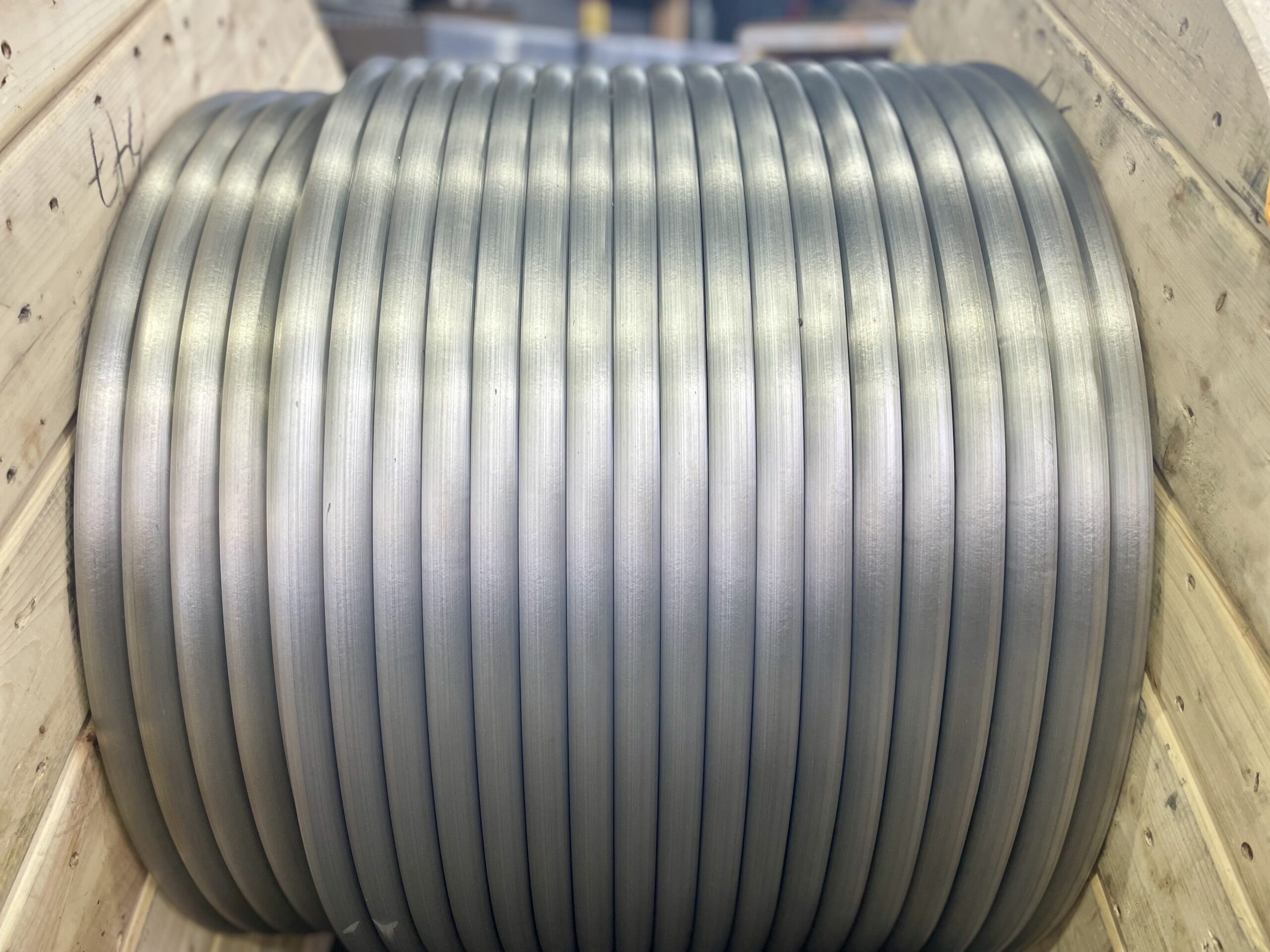
Lead materials are often used in applications where quality, traceability, and compliance are critical. Industries that rely on shielding systems, containment solutions, and engineered lead components often operate under strict safety and documentation requirements. Selecting an unsuitable supplier can lead to compliance issues, project delays, and additional operational costs.
Procurement teams must evaluate more than price and availability. Material certifications, fabrication controls, quality records, and supplier responsiveness all contribute to successful project outcomes. A structured qualification process helps reduce risk and supports reliable material performance throughout the supply chain.
Why Supplier Certification Matters for Lead Materials Procurement
Organizations sourcing lead materials often work within regulated environments where documentation requirements are as important as the material itself. Certified suppliers provide evidence that material quality, manufacturing controls, and inspection procedures meet established standards.
Questions such as where to find certified lead suppliers in Canada typically arise when procurement teams need confidence that materials will satisfy engineering, safety, and compliance requirements. Suppliers that maintain strong quality systems can help reduce uncertainty during purchasing, fabrication, delivery, and installation.
Regional experience can also provide advantages. Suppliers familiar with Canadian regulations, transportation conditions, and industry requirements are often better positioned to support documentation requests and project schedules. Procurement decisions should focus on verified capabilities rather than marketing claims.
Evaluating Certified Lead Material Suppliers
Supplier evaluation should extend beyond product catalogues and pricing discussions. Procurement teams should review how manufacturers manage material identification, inspection processes, traceability records, and quality control procedures. These factors help determine whether a supplier can consistently deliver compliant materials.
For radiation shielding and other regulated applications, documentation plays a significant role in qualification. Material certifications, production records, and inspection reports provide evidence that products meet specified requirements. Reviewing these controls before awarding contracts can help prevent costly issues later in the project lifecycle.
Engineering support is another important consideration. Complex shielding projects often require detailed fabrication specifications, dimensional accuracy, and coordination between multiple stakeholders. Suppliers with established technical capabilities can help translate design requirements into manufacturable solutions.
Assessing Quality Systems and Traceability
Traceability is a key component of supplier qualification. Procurement teams should confirm that materials can be tracked through manufacturing, inspection, and delivery processes. Comprehensive records help support audits, regulatory reviews, and internal quality programs.
Quality systems should also include documented inspection procedures and corrective action processes. Consistent controls improve confidence in product conformity and help reduce the likelihood of material-related issues during installation or operation.
Reviewing Fabrication and Technical Capabilities
Lead materials and radiation protection are often supplied in forms that require machining, fabrication, or custom shaping. Evaluating fabrication capabilities helps ensure that finished products meet dimensional and performance requirements.
Technical responsiveness is equally important. Procurement teams benefit from suppliers that can answer specification questions, review drawings, and provide practical guidance before production begins. Early collaboration can reduce revisions and improve project efficiency.
Key Considerations for Procurement Teams
Successful supplier selection requires a balanced review of quality, service, and operational reliability. Procurement teams should establish clear evaluation criteria before comparing vendors.
Important factors include:
- Material certifications and quality documentation
- Traceability and inspection controls
- Fabrication capabilities
- Technical support resources
- Packaging and transportation procedures
- Delivery performance and schedule reliability
Using a structured evaluation framework helps ensure that supplier decisions align with project objectives and regulatory expectations.
Managing Transportation and Delivery Risks
Lead materials may be transported across long distances and through challenging seasonal conditions. Packaging quality and shipment planning can influence product condition upon arrival.
Procurement teams should review how suppliers manage transportation requirements, packaging standards, and delivery coordination. Proper planning helps reduce the risk of damage and delays.
Supporting Regulatory Compliance
Regulatory compliance extends beyond material chemistry. Documentation, handling procedures, and inspection records all contribute to a compliant procurement process.
Suppliers should demonstrate an understanding of industry requirements and provide supporting documentation when requested. This helps procurement teams maintain audit readiness and support internal compliance programs.
Also Read:
How Modern Sheet Lead Installation Compares to Outdated Practices
Choosing the Right Metal Supplier That Meets Real-World Manufacturing Needs
Building a Reliable Supplier Qualification Process
Supplier qualification should be viewed as an ongoing process rather than a one-time purchasing activity. Regular reviews of supplier performance, documentation quality, and delivery reliability help maintain strong procurement outcomes.
Organizations that establish clear qualification procedures are often better prepared to manage project risks and changing regulatory requirements. Consistent supplier evaluation also supports long-term operational stability and improved purchasing confidence.
Procurement teams evaluating lead material suppliers should focus on verified capabilities, documented quality controls, and the ability to support project-specific requirements. A structured evaluation process helps reduce uncertainty and supports successful project execution.