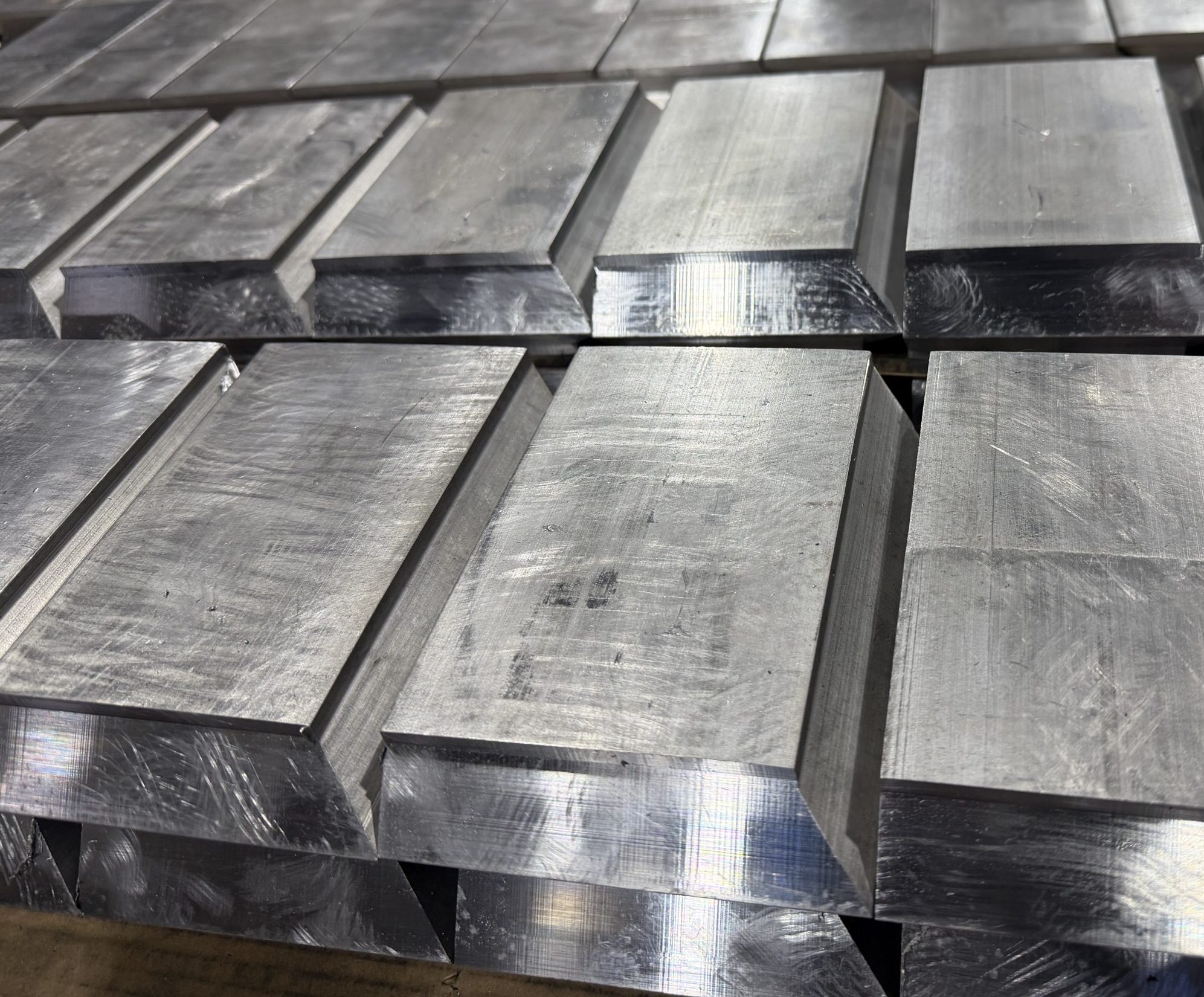
Material selection influences durability, cost control, corrosion resistance, and operational safety. Industrial equipment, infrastructure, and engineered systems rely on metals that match their mechanical demands and environmental conditions.
Many procurement teams and engineers evaluate ferrous and non-ferrous metals when choosing materials for different applications. Each category offers distinct characteristics in strength, weight, corrosion resistance, and functionality.
Understanding how these metals compare helps organizations choose materials that support performance across a wide range of industrial applications.
What Defines Ferrous Metals?
Ferrous metals contain iron as their primary element. This composition gives them strong magnetic properties and high tensile strength.
Common examples include:
- Steel
- Carbon steel
- Alloy steel
- Cast iron
These materials play a central role in construction, heavy machinery, transportation systems, and industrial frameworks.
Key characteristics of ferrous metals
- High tensile and structural strength
- Good durability under heavy loads
- Magnetic properties due to iron content
- Often lower raw material cost compared with some alternatives
However, many ferrous metals are vulnerable to corrosion when exposed to moisture or chemicals. This underscores the importance of treating these materials with protective coatings or alloying elements.
The strength and rigidity of ferrous metals often support load-bearing structures and mechanical systems where structural stability remains the primary requirement.
What Defines Non-Ferrous Metals?
Non-ferrous metals contain little or no iron. Their composition produces different performance characteristics compared with ferrous metals.
Common non-ferrous metals include:
- Aluminum
- Copper
- Lead
- Zinc
- Tin
- Nickel
These metals support industries that require corrosion resistance, electrical conductivity, or specialized physical properties.
Key characteristics of non-ferrous metals
- Strong resistance to corrosion and oxidation
- Lighter weight in many cases
- Non-magnetic properties
- High electrical and thermal conductivity in certain metals
- Good malleability and formability
Non-ferrous metals resist corrosion and provide specialized performance advantages. This explains why they frequently appear in electrical systems, chemical processing equipment, shielding applications, and precision components.
Strength Comparison: Structural vs Functional Strength
Strength in metals does not always mean the same thing. Structural strength and functional strength describe different performance priorities.
Structural Strength
Ferrous metals typically dominate when structural strength is essential. Steel and cast iron handle high loads, resist deformation, and maintain stability in structural frameworks.
Examples include:
- Building structures
- Industrial equipment frame
- Structural supports in manufacturing plants
- Heavy-duty machinery components
Functional Strength
Non-ferrous metals often provide strength in specialized performance areas rather than structural load capacity.
Examples include:
- Corrosion resistance in chemical environments
- Radiation shielding performance
- Electrical conductivity
- Thermal conductivity
Functional strength allows non-ferrous metals to perform effectively in environments where corrosion, electrical transfer, or shielding properties influence system reliability.
Application-Based Comparison
Different industries evaluate metal types based on operating conditions and engineering requirements.
Ferrous metals commonly support
- Structural frameworks and load-bearing systems
- Construction infrastructure
- Industrial machinery
- Automotive components
Non-ferrous metals commonly support
- Electrical conductors and wiring systems
- Radiation shielding applications
- Marine and chemical environments require corrosion resistance
- Precision casting and engineered metal components
This application-based distinction explains why many industrial systems combine both metal categories within the same project.
When to Choose Ferrous Metals
Ferrous metals often provide a suitable solution when strength and load capacity define performance requirements.
Situations where ferrous metals work well include:
- Structural fabrication and building systems
- Heavy industrial machinery
- High-stress mechanical components
- Projects where magnetic properties support system design
These materials remain foundational to industries that rely on durability, load resistance, and structural stability.
When to Choose Non-Ferrous Metals
Non-ferrous metals often perform better in environments where corrosion resistance or specialized functionality matter more than structural load capacity.
Common scenarios include:
- Electrical and electronic systems
- Radiation shielding systems
- Chemical processing environments
- Lightweight engineering applications
Their resistance to corrosion and ability to perform specialized roles make non-ferrous metals essential across many industrial sectors. Performance outcomes often depend on selecting experienced non-ferrous metal suppliers that provide materials suited to the application.
Also Read:
How Does Tin Sheet Metal Fabrication Benefit the Construction Industry?
Choosing the Right Metal Supplier That Meets Real-World Manufacturing Needs
Decision Framework for Engineers and Buyers
Material selection requires balancing several technical factors rather than focusing on a single property
Engineering teams often evaluate:
- Load requirements and mechanical stress
- Exposure to moisture, chemicals, or corrosive conditions
- Weight limitations within system design
- Conductivity or shielding requirements
- Manufacturing and fabrication compatibility
A careful material comparison helps ensure material choices align with performance expectations and operational environments.
Organizations across North America continue to rely on both categories to support infrastructure, industrial equipment, and specialized engineering solutions.
Businesses evaluating metal products for industrial applications must choose the right non-ferrous metal company to evaluate available options. Contact Canada Metal North America to identify the most suitable solution for specific operational requirements.