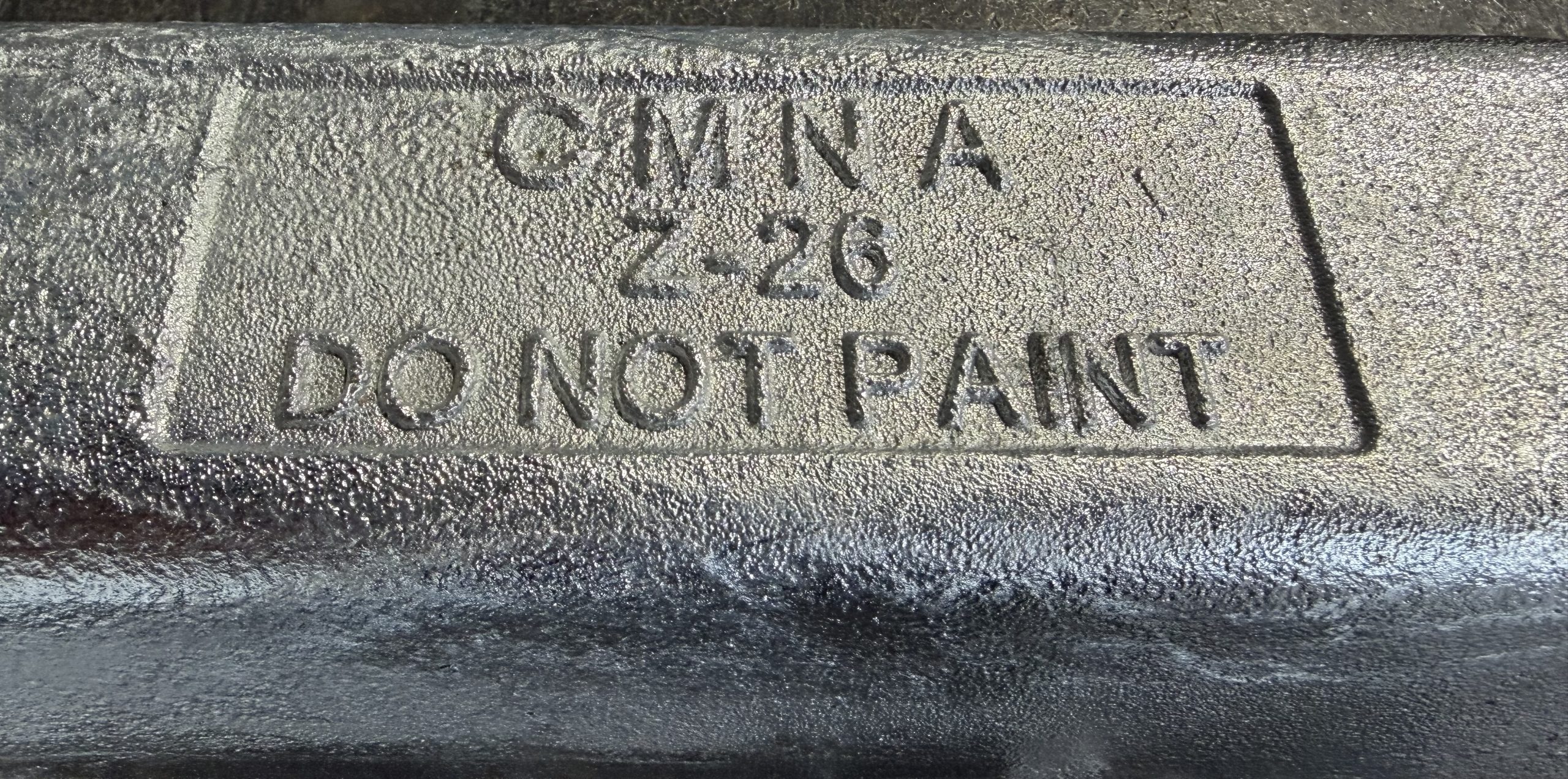
Marine environments create constant corrosion challenges for vessels, docks, offshore structures, and waterfront infrastructure. Saltwater exposure accelerates metal deterioration, especially in high-salinity environments where steel components remain continuously exposed to moisture and electrical activity. Corrosion-related damage can increase maintenance costs, shorten equipment lifespan, and disrupt marine operations.
Sacrificial corrosion protection systems help reduce these risks by directing corrosion toward replaceable materials rather than structural components. Selecting the correct anode type plays an important role in maintaining long-term protection, installation efficiency, and maintenance accessibility. Different mounting methods affect how anodes perform under operational conditions, particularly in industrial marine applications using marine zinc anodes.
Installation Timeline and Labour Requirements for Marine Zinc Anodes
Installation timelines often influence marine infrastructure planning and maintenance schedules. Large-scale marine projects, including ports, piers, and offshore platforms, require corrosion protection systems that support efficient deployment while minimizing operational interruptions.
High-salinity environments can also complicate installation procedures. Marine infrastructure exposed to strong currents, tidal fluctuations, and constant moisture requires durable attachment methods that maintain structural integrity over time. Labour availability and underwater installation conditions may further affect project scheduling.
Bolt-On vs Weld-On Mounting Methods
Bolt-on zinc anodes use mechanical fastening systems that simplify installation and replacement procedures. Maintenance crews can remove and replace damaged anodes without cutting or rewelding structural components. This flexibility supports faster maintenance cycles and reduces downtime during inspections.
Weld-on zinc anodes use either welded tabs or direct structural attachment. These systems create a more permanent connection between the anode and the protected structure. Welded attachment methods are commonly used in offshore platforms and heavy marine infrastructure where strong structural integration is necessary.
Performance and Reliability of Marine Zinc Anodes in Saltwater Environments
Zinc anodes protect marine structures through sacrificial corrosion protection. The zinc corrodes first, thereby preserving the surrounding steel or other metal surfaces. This electrochemical process helps reduce corrosion-related deterioration across marine environments.
Electrical continuity remains essential for effective corrosion protection. Proper conductivity between the anode and the protected structure allows the corrosion protection system to function consistently. Weak electrical connections can reduce protection efficiency and increase the risk of localized corrosion.
Connection Integrity and Structural Integration
Weld-on systems generally provide stronger long-term electrical continuity because the welded connection minimizes movement and resistance. These systems are often preferred in high-stress harbour environments or offshore applications exposed to continuous vibration and heavy operational loads.
Bolt-on systems offer installation flexibility and easier access for replacement. However, improper fastening or environmental wear may affect conductivity over time if inspections are not performed regularly. Harbour facilities and marina operators often use bolt-on systems where accessibility and maintenance efficiency remain operational priorities.
Long-Term Cost and Lifecycle Performance of Marine Zinc Anodes
Lifecycle performance extends beyond initial installation costs. Marine infrastructure operators must evaluate maintenance frequency, inspection schedules, replacement requirements, and labour costs when selecting corrosion protection systems.
Bolt-on systems typically reduce maintenance labour because replacement procedures are less complex. Maintenance teams can often complete inspections and replacements faster without requiring hot work permits or welding operations. This may reduce operational downtime during routine servicing.
Operational Costs and Maintenance Access
Weld-on systems may provide longer attachment durability in demanding marine environments. Their permanent integration can reduce movement-related wear and maintain reliable conductivity over extended operating periods. However, replacement procedures may require additional labour, welding equipment, and planning for operational shutdowns.
Marine operators managing difficult-to-access infrastructure may prioritize long-term attachment stability over replacement speed. In contrast, facilities requiring frequent inspections may favour systems that simplify maintenance access and reduce servicing complexity.
Key Decision Factors for Selecting Marine Zinc Anodes
Several operational factors influence the selection of marine zinc anodes. Installation conditions, environmental exposure, maintenance schedules, and lifecycle costs all affect long-term system performance.
Marine infrastructure exposed to high vibration, heavy currents, or constant structural stress may benefit from welded attachment systems. Structures requiring faster replacement access or simplified maintenance procedures may operate more efficiently with bolt-on configurations.
Environmental conditions also influence corrosion protection requirements. Salinity levels, water temperature, and operational exposure all impact zinc consumption rates and inspection frequency. Evaluating these conditions helps determine the most suitable corrosion protection strategy for each application.
Also Read:
Zinc Anodes In The Oil And Gas Industry
How to Use Zinc Anodes to Your Advantage in the Marine Industry?
How Zinc Balls Improve Efficiency in Electroplating and Corrosion Protection Systems
Selecting the Right Marine Zinc Anodes
Selecting the appropriate corrosion protection system requires balancing installation efficiency, long-term durability, and maintenance accessibility. Bolt-on systems support faster servicing and replacement flexibility, while weld-on systems provide stronger structural integration in demanding marine environments.
Marine infrastructure operators increasingly evaluate lifecycle performance alongside installation costs when selecting corrosion protection systems. Proper pier anode selection helps improve maintenance planning, reduce operational disruptions, and support long-term structural protection.