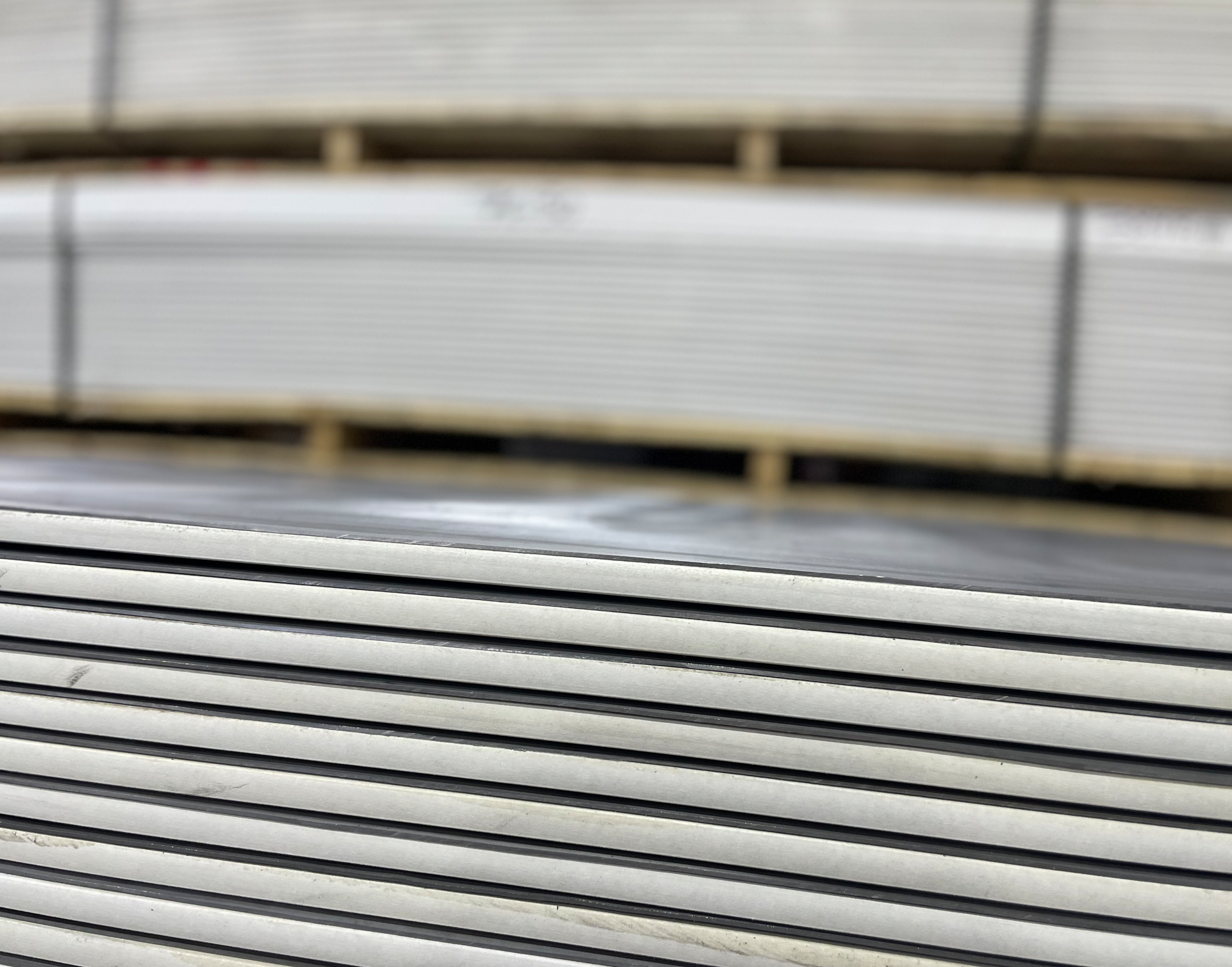
Noise control is no longer a secondary concern in modern construction. In commercial facilities, healthcare environments, and industrial settings, uncontrolled sound can disrupt operations and reduce efficiency. High-density materials play a critical role in managing this challenge.
The sheet lead stands out because its density and flexibility create an effective barrier against airborne and low-frequency noise. Unlike rigid materials, it absorbs and dissipates sound energy instead of allowing it to pass through. This limits vibration transfer across walls, ceilings, and floors.
People Also Ask (PAAs)
Why is sheet lead effective for soundproofing?
Sheet lead is dense and flexible, which helps block and absorb sound waves. It reduces vibration and prevents sound from passing through building structures.
Where is sheet lead commonly used for soundproofing?
Sheet lead is used in walls, ceilings, floors, and mechanical rooms across commercial, industrial, and residential buildings where noise control is required.
What Is Sheet Lead in Soundproofing Applications?
Sheet lead is a malleable form of lead rolled into thin sheets. It is widely used in construction and industrial environments where consistent performance is required
Key characteristics include:
- High density compared to standard construction materials
- Soft and flexible structure
- Resistance to corrosion and moisture
These properties allow the material to perform reliably in demanding environments.
Why Density Matters in Soundproofing Systems
Sound travels through vibrations. When sound waves hit a surface, part of the energy passes through. The ability to stop this movement depends on mass.
Sheet lead provides:
- High-density mass, which is critical for stopping sound transmission
- Effective blocking of low-frequency noise, such as traffic or heavy machinery
- Reduced vibration transfer between adjacent spaces
This makes it suitable for environments where controlling deep, persistent noise is necessary.
How Sheet Lead Reduces Sound Transmission
Sheet lead performs differently from rigid materials. Instead of transmitting sound, it limits the movement of sound waves.
This happens through:
- Mass loading, adding weight to reduce vibration
- Damping, preventing resonance within structures
- Energy dissipation, absorbing sound instead of passing it through
Because the material is soft and flexible, it does not resonate when exposed to sound waves. This reduces the “ringing” effect often seen in rigid materials.
Key Advantages of Using Lead Sheet for Soundproofing Systems
Sheet lead supports soundproofing systems through a combination of properties:
- Superior sound reduction due to combined weight and flexibility
- Limp structure, preventing vibration transfer
- Thin profile, enabling installation without major structural changes
- Versatile, suitable for walls, ceilings, and floors
- Durability, resistant to corrosion and moisture over time
These advantages make it one of the more efficient materials for controlling airborne sound transmission in construction.
Common Building Applications for Sheet Lead Soundproofing
Lead sheet metal is applied across multiple building types:
- Stud wall partitioning in hotels, hospitals, and offices
- Mechanical and equipment rooms to dampen vibration
- Metal decking systems to reduce structural noise
- Residential buildings, especially in high-traffic urban areas
In these settings, sound control supports comfort, compliance, and operational stability.
Integrating Sheet Lead into Acoustic Systems
Sheet lead performs effectively when integrated into multi-layered acoustic assemblies.
Typical approaches include:
- Installing sheet lead behind drywall in partition systems
- Applying it under the flooring to reduce impact noise
- Combining with insulation to absorb residual sound
- Using it within ceiling systems to control overhead noise
Its flexibility allows it to conform to surfaces such as stud walls, ceiling joists, and flooring systems, improving installation consistency.
Also Read:
What Makes Sheet Lead Essential for Nuclear Facilities?
How Modern Sheet Lead Installation Compares to Outdated Practices
Why Sheet Lead is the Ideal Material for Tank Lining in Construction
Supporting High-Performance Buildings with the Right Materials
Modern buildings require predictable acoustic performance. Sheet lead supports these requirements by combining density, flexibility, and durability in a single material
Its ability to block low-frequency noise, reduce vibration, and maintain long-term performance makes it a practical component in soundproofing systems.