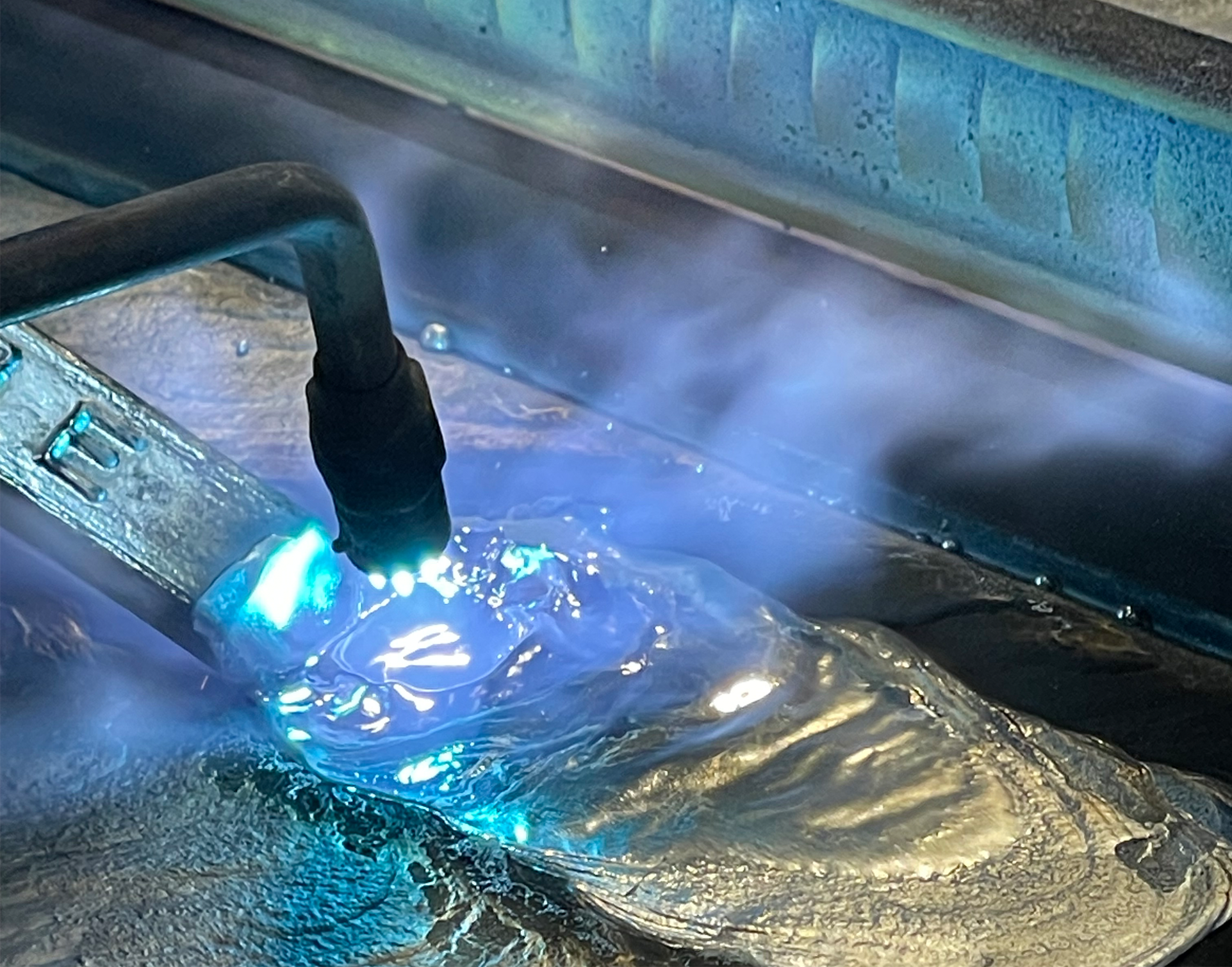
Heavy rotating equipment depends on the reliable performance of white metal and Babbitt bearings. Many industrial machines rely on Babbitt bearings for their ability to handle heavy loads and protect shafts from damage. These bearings support turbines, compressors, pumps, and large motors used across industrial operations in North America.
The Babbitt metal layer is designed to wear gradually. This controlled wear protects the shaft and other components. Over time, deterioration reaches a point where repair becomes necessary. Recognizing early warning signs helps maintenance teams prevent unexpected shutdowns and equipment damage.
People Also Ask (PAAs)
What are common signs that a babbitt bearing needs repair?
Common signs include elevated temperatures, increased vibration, grinding noise, metallic debris in oil, and visible surface damage such as scoring or wiping.
Can babbitt bearings be repaired instead of replaced?
Yes. Many bearings can be repaired through rebabbitting, where the worn babbitt lining is removed and replaced with a new alloy layer.
Understanding How Babbitt Bearings Fail
Babbitt bearings consist of a soft metal alloy lining bonded to a stronger steel or bronze backing shell. The babbitt surface supports rotating shafts while providing low friction and conformability.
Several operating conditions can accelerate wear of the babbitt layer:
- Continuous heavy mechanical loads
- Insufficient lubrication
- Contamination within the lubricating oil
- Shaft misalignment
- High operating temperatures
Over time, these factors cause surface damage or separation of the babbitt lining. Visible deterioration may include scoring, pitting, cracking, or wiping. Wiping occurs when the babbitt alloy overheats and smears across the bearing surface.
If wear progresses unchecked, metal-to-metal contact may occur between the shaft and bearing housing.
Early Warning Signs That Indicate Potential Repair
Operational changes often provide the first indication that a babbitt bearing requires attention. Monitoring systems and routine maintenance checks typically detect these symptoms before severe damage develops
Common warning signs include:
- Elevated operating temperatures beyond normal limits
- Increased vibration levels during equipment operation
- Grinding, knocking, or squealing noises from rotating assemblies
- Metallic debris in lubrication oil
- Discoloured or rapidly degrading lubricant
- Reduced machine efficiency or unexpected shutdowns
Temperature spikes are often one of the earliest indicators of trouble. When bearing temperatures exceed normal operating ranges, friction may increase due to lubrication issues or surface damage.
Vibration and noise also signal distress. Increased radial vibration combined with grinding or knocking sounds may indicate uneven wear or developing metal-to-metal contact.
When Monitoring Is Not Enough
Modern monitoring systems track vibration, temperature, and lubrication quality. These tools help maintenance teams detect early signs of bearing deterioration.
However, certain conditions require immediate investigation rather than continued monitoring:
- Sudden spikes in vibration readings
- Rapid temperature increases during normal loads
- Visible oil contamination or metallic particles
- Repeated alarms from condition monitoring systems
These symptoms suggest that internal damage may already be developing within the babbitt metal layer. Continued operation may increase the risk of shaft scoring or catastrophic equipment failure. In such cases, shutting down inspection equipment often prevents more serious damage.
Inspection and Diagnostic Methods for Babbitt Bearings
Confirming whether a babbitt bearing requires repair involves several diagnostic techniques. Maintenance specialists typically combine multiple inspection methods to evaluate bearing condition.
Common diagnostic approaches include:
- Visual inspection for scoring, pitting, cracks, or discolouration
- Identification of wiping, where babbitt material melts and smears across the surface
- Vibration analysis to detect structural changes
- Oil analysis to identify metallic flakes or contaminants
- Clearance measurement between the shaft and bearing surface
Increased shaft clearance often indicates progressive bearing wear. Excessive clearance can allow the shaft to move unpredictably during operation.
Visual inspection remains one of the most reliable diagnostic tools. Signs such as burning, fatigue cracking, or surface scoring often reveal the underlying cause of failure.
Repair vs Replacement Decision Factor
Once deterioration is confirmed, engineers must determine whether repair or replacement is required.
Several factors influence this decision:
- The extent of material loss in the babbitt lining
- The condition of the bearing shell and housing
- The degree of shaft contact or surface scoring
- Downtime considerations and repair timelines
Minor roughness may sometimes be corrected through scraping or surface adjustment. However, significant damage typically requires rebabbitting or re-pouring the babbitt material layer
During rebabbitting, the damaged babbitt material is removed and replaced with a new alloy lining. This process restores the bearing’s original performance characteristics.
Preventing Recurring Bearing Failure
Repairing a babbitt bearing solves the immediate issue. However, preventing future failures requires identifying the underlying cause.
Preventive maintenance programs often include:
- Routine lubrication monitoring
- Scheduled vibration analysis
- Oil contamination testing
- Shaft alignment verification
- Temperature monitoring during operation
These practices help maintenance teams detect abnormal conditions early and schedule repairs before severe damage develops
Understanding the warning signs of babbitt bearing deterioration helps industrial operations maintain reliable equipment performance and avoid costly downtime.
Also Read:
What Sets Babbitt Metal Apart From Industrial Alloys
Choosing the Right Metal Supplier That Meets Real-World Manufacturing Needs
Preventing Downtime Through Early Bearing Maintenance
Babbitt bearings remain widely used across heavy industrial equipment because of their durability and protective properties. However, wear, lubrication issues, and operating stress eventually lead to surface deterioration.
Warning signs such as rising temperatures, abnormal vibration, unusual noise, and contamination in lubrication oil often indicate that repair may be required. Early inspection and timely maintenance help extend equipment life and prevent unexpected shutdowns.
Organizations seeking information about Babbitt metal bearing repair and metal applications can contact Canada Metal North America for repair solutions.