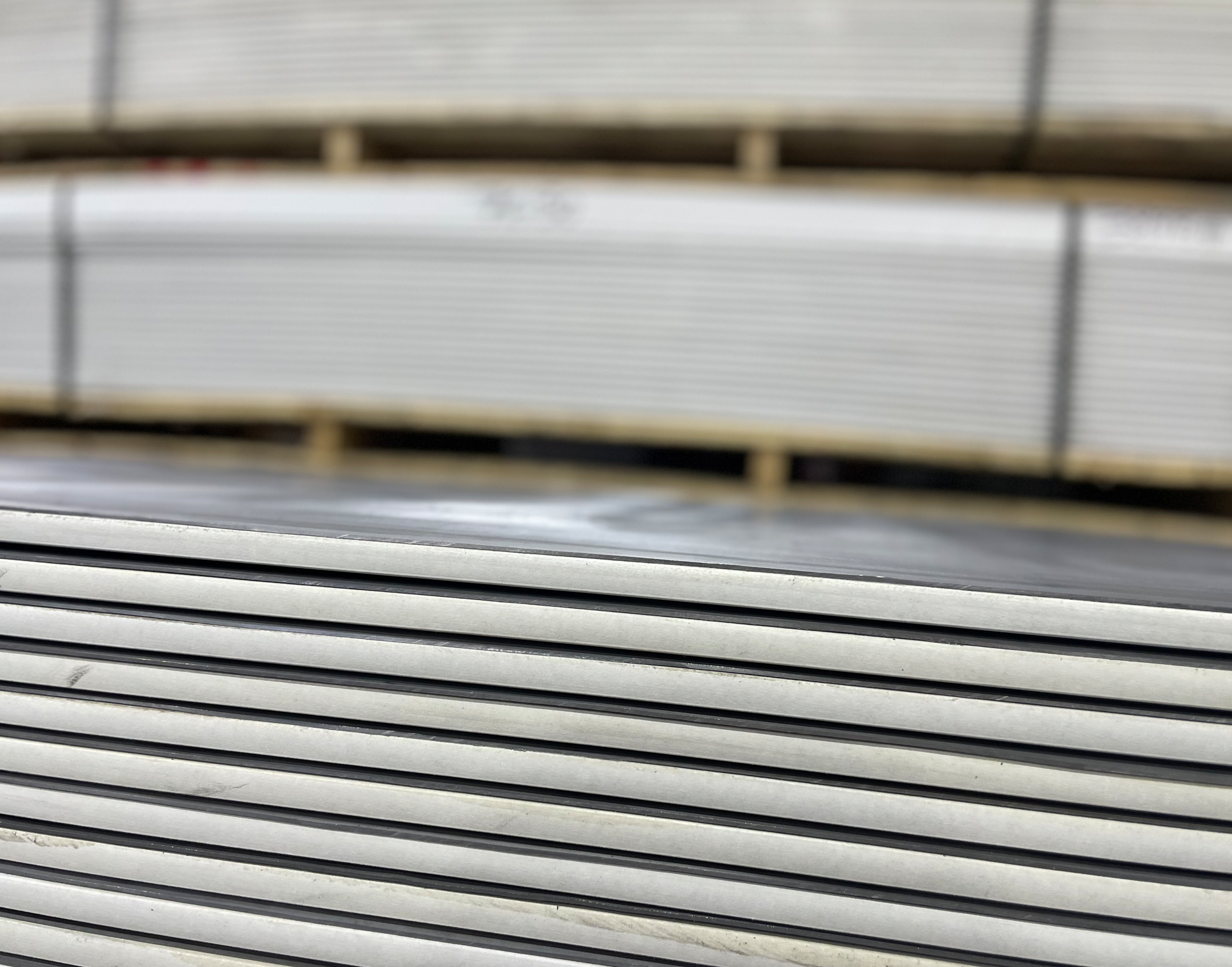
Sheet lead has been used in industrial environments for decades. Its density, malleability, and shielding properties have made it a reliable material across construction, healthcare, energy, and manufacturing. However, while the material itself has remained consistent, installation practices have changed significantly.
Understanding how modern lead sheet installation compares to outdated methods helps decision-makers avoid performance gaps. It also reduces rework and premature material failure.
Understanding Traditional Sheet Lead Installation Methods
Traditional sheet lead installation focused on manual handling and basic fastening methods. Installers relied heavily on on-site cutting, overlapping seams, and mechanical fasteners to secure sheets into place.
Common characteristics of traditional lead sheet installation included:
- Manual trimming using basic tools
- Overlapping sheets without engineered seam control
- Limited surface preparation
- Minimal attention to thermal movement or long-term stress
These methods reflected the standards and expectations of earlier industrial projects. At the time, speed and material coverage were more important than precision and long-term performance.
Limitations of Outdated Sheet Lead Installation Practices
As industrial environments evolved, the limitations of outdated installation practices became more visible. Modern facilities demand tighter tolerances, improved safety, and longer service life.
Outdated installation methods of lead shielding sheets often lead to:
- Uneven surfaces and inconsistent thickness
- Increased risk of seam separation over time
- Reduced shielding continuity in critical applications
- Higher maintenance and replacement frequency
These issues become especially problematic in environments subject to vibration, temperature fluctuations, or regulatory scrutiny.
What Defines Modern Sheet Lead Installation
Modern sheet lead installation emphasizes controlled processes and engineered consistency. Installation begins well before the sheets arrive on site.
Modern practices typically include:
- Pre-cut and precision-sized sheet lead
- Engineered seam layouts and controlled overlap
- Improved substrate preparation for adhesion and stability
- Installation methods designed to manage expansion and contraction
This approach reduces on-site variability and supports predictable performance across complex industrial settings.
Key Differences: Modern vs. Outdated Installation Approaches
The contrast between modern and outdated installation methods for lead sheets in radiation shielding is notable. It reflects a broader shift from reactive work to proactive planning.
Key differences include:
- Preparation: Modern installation relies on advanced measurement and fabrication rather than on-site adjustments
- Consistency: Modern methods produce uniform coverage and seam alignment
- Durability: Engineered installation reduces long-term stress points
- Compliance: Modern practices better support regulated environments
Rather than relying solely on installer judgment, modern installations integrate process controls to improve reliability.
Performance and Longevity Considerations
The performance of the lead sheet depends not only on material quality but also on installation. Poor installation can compromise shielding effectiveness, structural stability, and service life.
Modern installation supports:
- Longer operational lifespan
- Reduced maintenance requirements
- Improved resistance to movement and fatigue
- Greater confidence in critical applications
These benefits are significant in industrial environments where downtime or remediation costs are high.
Also Read:
Why Sheet Lead is Essential for Soundproofing in Construction
Why Sheet Lead is the Ideal Material for Tank Lining in Construction
What are the advantages of using interlocking lead bricks in the healthcare sector?
Choosing the Right Installation Approach for Today’s Projects
Sheet lead remains a critical material across industrial applications. What has changed is the way it is installed. Updated installation practices improve consistency, durability, and reliability while reducing long-term risk.
Selecting an installation approach requires evaluating project conditions, regulatory requirements, and long-term performance expectations. While outdated methods may still appear cost-effective initially, they often introduce hidden risks.
Modern sheet lead installation aligns better with:
- Long-term operational planning
- Safety and compliance requirements
- Performance consistency across facilities
Investing in updated installation practices helps ensure that sheet lead performs as intended throughout its service life.
For projects requiring dependable lead sheet metal performance, working with experienced suppliers who understand modern installation standards is essential. Contact Canada Metal North America for delivering better outcomes to support unique applications and specification requirements.