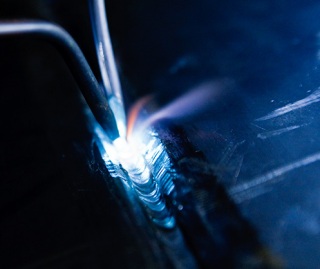
Understanding Soldering Paste in Critical Manufacturing
Manufacturing environments in the aerospace and nuclear sectors demand precision, consistency, and long-term reliability. Weak metallurgical joints, inconsistent wetting, or contamination can compromise system performance and increase operational risks.
Material selection plays an important role in reducing defects and maintaining production stability in these industries. This is especially true when working with soldering paste.
People Also Ask (PAAs)
What is the purpose of soldering paste in industrial manufacturing?
Soldering paste supports metallurgical bonding by helping remove surface oxides and improving solder flow during heating. It also helps create reliable electrical and mechanical joints across industrial applications.
Why is high-temp solder paste used in aerospace applications?
High-temp solder paste is used in aerospace manufacturing because it maintains joint integrity under elevated temperatures and demanding thermal cycling conditions.
Defining the Scavenging Action
Soldering paste supports metallurgical bonding by helping to remove surface oxides during heating. This scavenging action improves wetting and allows the molten alloy to bond more effectively with the substrate surface. Oxide removal becomes especially important when joining stainless steel, nickel alloys, or other oxidation-prone materials.
Manufacturers in high-reliability sectors increasingly prioritize controlled flux performance because inconsistent oxide removal contributes to joint defects and rework. Industry production trends continue to show that improved paste consistency can help reduce assembly defects and improve long-term reliability.
Core Components and Flux Vehicles
Soldering paste typically contains alloy powder suspended within a flux vehicle. The flux supports oxide removal and improves solder flow during thermal processing. Rosin-based formulations are commonly used for controlled activation and residue management. Acid-based formulations provide more effective oxide removal on more challenging surfaces.
Viscosity also influences application performance. Lower-viscosity formulations may improve spreading characteristics, while higher-viscosity materials often support better stencil print definition and placement consistency. Selecting the correct balance depends on the manufacturing environment and component requirements.
Why Soldering Paste Quality Matters for High Reliability Sectors
Mitigating Risks in Aerospace and Nuclear Environments
Aerospace and nuclear systems operate under demanding thermal and mechanical conditions. Joint failure in these environments can lead to operational downtime, costly maintenance cycles, and safety risks. Manufacturing defects often result in significant rework costs due to inspection requirements and strict compliance standards.
Reliable soldering paste performance helps reduce voiding, incomplete wetting, and inconsistent joint formation. Stable metallurgical bonding also supports long-term durability during vibration exposure and thermal cycling. Manufacturers increasingly focus on process consistency to reduce scrap rates and improve production efficiency.
Balancing Reliability with Printability
High-reliability manufacturing requires both durable solder joints and stable production performance. Wetting characteristics influence how effectively solder spreads across the substrate surface during heating. Poor wetting can create incomplete joints and inconsistent electrical or structural performance.
Printability also affects manufacturing consistency. Solder paste that maintains stable deposition patterns can improve placement accuracy and reduce bridging or insufficient coverage. Production teams often evaluate print stability alongside long-term joint durability when selecting materials for aerospace or nuclear applications.
Types of Soldering Paste and High-Performance Alloys
Selecting High-Temp Solder Paste
Extreme manufacturing environments frequently require materials capable of withstanding elevated operating temperatures. High-temp solder paste formulations are designed to maintain joint integrity during thermal exposure and demanding service conditions. These materials are commonly evaluated for aerospace assemblies, industrial heating systems, and high-performance mechanical components.
Certain applications involve difficult-to-bond alloys such as Inconel and Monel. These nickel-based materials form stable oxide layers that require controlled-flux activation and precise thermal management during soldering. Selecting the correct solder alloy and flux combination helps support stronger bonding performance under elevated temperatures.
Evaluating Silver Solder Paste Variants
Silver solder paste is commonly used where higher strength and improved conductivity are required. Silver-containing alloys generally provide better mechanical durability compared to standard tin-based alternatives. These formulations are frequently selected for applications involving vibration resistance or higher thermal demands.
Tin-based solder materials are often preferred for general electronic assembly because of their lower melting temperatures and broader compatibility. Aluminum applications may require specialized flux systems because oxide layers can interfere with wetting performance. Procurement teams often compare alloy properties, thermal characteristics, and application compatibility before finalizing material selection. Additional alloy information can also be reviewed through industrial bulk procurement catalogues and technical material references.
Step-by-Step Process for Applying Soldering Paste to Difficult Metals
Surface Preparation and Oxide Removal
Surface preparation directly affects solder joint quality. Oils, oxidation, and surface contaminants can interfere with metallurgical bonding and reduce wetting performance. Cleaning procedures often include solvent preparation, abrasion, or controlled chemical treatment, depending on the substrate material.
High-chrome alloys require particular attention because oxide layers form rapidly on the surface. Flux activation helps break down these oxides during heating and promotes improved solder flow across the joint. Consistent preparation methods help reduce variability during production.
Application and Thermal Cycling
Soldering paste is commonly applied through stencil printing, dispensing systems, or manual placement, depending on production volume and assembly requirements. Uniform paste deposition helps maintain consistent joint geometry and reduces the likelihood of bridging or insufficient bonding.
Thermal cycling stages also influence final joint quality. Initial preheating helps activate the flux and remove volatile compounds. Controlled ramp-up temperatures then allow proper wetting and alloy flow before cooling stabilizes the final joint structure. Excessive heating can damage flux chemistry and negatively affect bond performance.
Advanced Considerations for Soldering Paste Procurement and Compliance
Navigating Material Quality Standards
Material quality standards remain critical in aerospace and nuclear manufacturing environments. Procurement teams often evaluate soldering paste suppliers based on material traceability, alloy consistency, and documented quality control procedures. Controlled manufacturing processes help reduce contamination risks and support repeatable performance.
Flux classification systems and powder particle inspections are also commonly reviewed during qualification. Uniform powder particle shape can improve print consistency and reduce void formation. Manufacturers frequently request detailed technical documentation to support internal compliance requirements.
Shelf Life and Safety Data
Soldering paste performance can change over time because flux chemistry and alloy suspension characteristics gradually degrade during storage. Procurement teams often review technical data sheets to confirm the recommended storage conditions and expected shelf-life performance.
Shelf life expectations vary depending on alloy composition and flux system design. Refrigerated storage is commonly used to maintain material stability and reduce separation within the paste. Safety documentation also plays an important role in supporting regulatory compliance and safe workplace handling procedures.
Also Read:
Different Applications of Soldering
Mastering Multi-Step Soldering: A Step-by-Step Guide
Essential Safety Guidelines for Solder Metal Applications
Next Steps for Sourcing Industrial Soldering Paste
Partnering with a Diversified Producer
Soldering paste selection affects manufacturing reliability, production efficiency, and long-term joint performance across aerospace and nuclear applications. Manufacturers often evaluate alloy compatibility, flux activity, print stability, and thermal resistance before approving materials for production use.
Specialized alloy applications require suppliers capable of supporting demanding technical specifications and evolving compliance requirements. Industrial procurement teams frequently prioritize traceability, material consistency, and process reliability when sourcing high-temp solder paste.