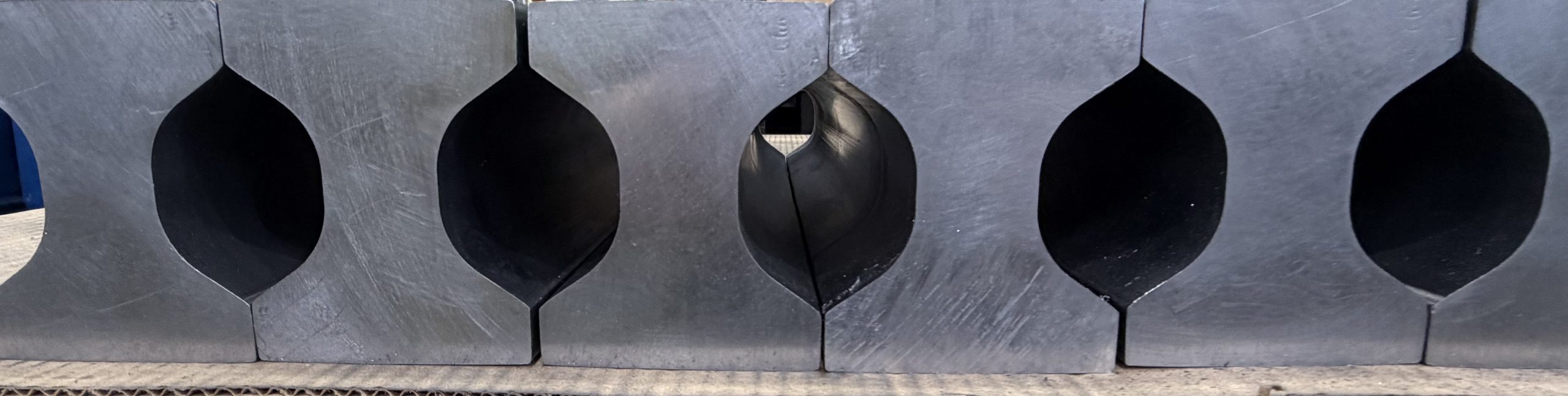
Industrial supply chains depend on consistency, traceability, and reliable availability of materials. When sourcing specialized metals, procurement teams must consider more than pricing and delivery timelines. Material quality, regulatory compliance, and supplier reliability all influence long-term operational performance. These factors are especially important when sourcing lead metal for industrial applications.
People Also Ask (PAAs)
What factors should industrial buyers consider when sourcing lead metal?
Industrial buyers should evaluate material quality, traceability, compliance documentation, supplier reliability, inventory availability, and logistics capabilities when sourcing lead metal for industrial applications.
Why is supplier selection important in the lead metal supply chain?
Supplier selection affects material consistency, regulatory compliance, delivery performance, and long-term supply stability. Reliable suppliers help reduce procurement risks and support uninterrupted operations.
Why Lead Metal Remains Important Across Industries
Lead metal continues to serve a wide range of industrial sectors due to its unique physical properties. Its density, corrosion resistance, and malleability make it suitable for applications where durability and performance are critical.
Common industrial uses include:
- Radiation shielding systems
- Counterweights and ballast applications
- Battery manufacturing
- Construction materials
- Industrial components requiring vibration dampening
Because these applications often operate under strict performance requirements, material consistency remains a key procurement consideration.
Understanding Canada’s Lead Metal Supply Chain
Canada’s lead metal supply chain includes mining operations, recycling facilities, refiners, fabricators, and distribution networks. Each stage contributes to the quality and availability of finished materials supplied to industrial buyers.
Many organizations now evaluate supply chains based on:
- Material traceability
- Quality assurance procedures
- Environmental compliance
- Inventory availability
- Delivery reliability
A well-managed supply chain helps reduce procurement risks and supports uninterrupted production schedules.
Factors That Influence Lead Metal Availability
Lead metal availability can fluctuate due to several market and operational factors. Global demand, transportation challenges, environmental regulations, and recycling rates all play a role in shaping supply conditions.
Industrial buyers often monitor:
Raw Material Supply
Primary production and recycled lead sources both contribute to overall market availability. Changes in either source can affect lead inventories and procurement planning.
Regulatory Requirements
Environmental and workplace safety regulations influence how lead materials are produced, transported, and handled. Compliance requirements can impact supply timelines and sourcing strategies.
Manufacturing Demand
Industries such as energy storage, healthcare, and construction continue to require lead-based materials for specialized applications. Demand shifts within these sectors can influence supply conditions throughout the market.
Evaluating Lead Suppliers for Industrial Procurement
Selecting qualified lead suppliers involves more than reviewing product specifications. Procurement teams typically assess supplier capabilities across several operational areas.
Important evaluation criteria include:
Quality Documentation
Material certifications, test reports, and traceability records help verify compliance with project requirements.
Manufacturing Capabilities
Suppliers should demonstrate the ability to meet volume requirements while maintaining consistent material quality.
Inventory and Logistics Support
Reliable inventory management and transportation systems help reduce supply disruptions and improve project planning.
Technical Support
Access to product information and application guidance can help organizations make informed purchasing decisions.
A structured supplier evaluation process often supports better procurement outcomes and reduces operational risk.
The Growing Importance of Sustainability
Sustainability has become an increasingly important factor within industrial procurement. Many organizations now consider recycling programs, waste reduction initiatives, and responsible sourcing practices when evaluating suppliers.
Lead remains one of the most recycled industrial metals. Recycled material can help support circular economy initiatives while maintaining the performance characteristics required for industrial applications. Procurement teams frequently review environmental practices alongside technical specifications during supplier assessments.
Also Read:
What to Look for When Choosing Where to Buy Lead in Canada
Why Procurement Teams Prioritize Lead Metal for Industrial Compliance
What to Consider When Using Lead Ingots for Bullet Casting and Fishing Sinkers
Building a Reliable Procurement Strategy
Successful sourcing strategies rely on long-term planning rather than reactive purchasing decisions. Industrial buyers often benefit from developing supplier relationships that support transparency, material consistency, and dependable delivery performance.
Organizations sourcing lead metal should evaluate quality systems, documentation practices, supply chain stability, and compliance requirements before making procurement decisions. Working with established suppliers can help improve visibility across the supply chain and support operational continuity.
As industrial requirements continue to evolve, reliable sourcing remains a key priority. Companies evaluating suppliers should consider material quality, traceability, and long-term availability when selecting lead products that support their operational objectives.