
Radiation protection is a critical requirement across medical, industrial, and research facilities. Selecting the wrong shielding material can pose safety risks, create regulatory challenges, and lead to costly retrofits after construction.
Material performance must be carefully evaluated during the design phase to meet long-term operational requirements. These considerations make proper material selection especially important when specifying sheet lead.
People Also Ask (PAAs)
What is sheet lead used for in radiation shielding?
Sheet lead is used to reduce the transmission of X-rays and gamma rays in medical, industrial, and research facilities. Its high density helps provide effective radiation attenuation while supporting regulatory compliance.
Why is sheet lead commonly used in medical facilities?
Sheet lead is commonly used in medical facilities because it provides reliable radiation shielding for imaging rooms, treatment areas, and other environments where exposure control is required.
Why Sheet Lead Matters for Radiation Protection
Radiation shielding materials work by absorbing and attenuating harmful emissions. Dense materials provide greater attenuation performance than lighter alternatives. Sheet lead remains widely used because its density allows it to absorb gamma rays and X-rays efficiently.
Radiation Attenuation Performance
The atomic structure of lead makes it highly effective for radiation shielding applications. As radiation passes through the material, energy is absorbed and dispersed. This reduces the amount of radiation that reaches occupied spaces or sensitive equipment.
Additional Functional Benefits
Beyond radiation control, sheet lead also offers acoustic dampening properties. Facilities often use it in environments where both noise reduction and shielding performance are required. Its flexibility allows installation around irregular surfaces without compromising coverage.
Risks of Improper Shielding
Improperly specified shielding materials can create gaps in protection. Elevated exposure levels may affect personnel working near protected areas. Correct material selection helps support regulatory compliance and long-term operational safety.
Types of Lead Sheet Metal for Industrial Projects
Lead sheet metal is available in various thicknesses and configurations. Selection depends on shielding requirements, structural conditions, and installation methods.
Standard Sheet Lead
Standard sheet lead provides flexibility and ease of fabrication. It can be formed around corners, penetrations, and non-linear surfaces. This makes it suitable for a wide range of radiation shielding applications.
Laminated and Backed Systems
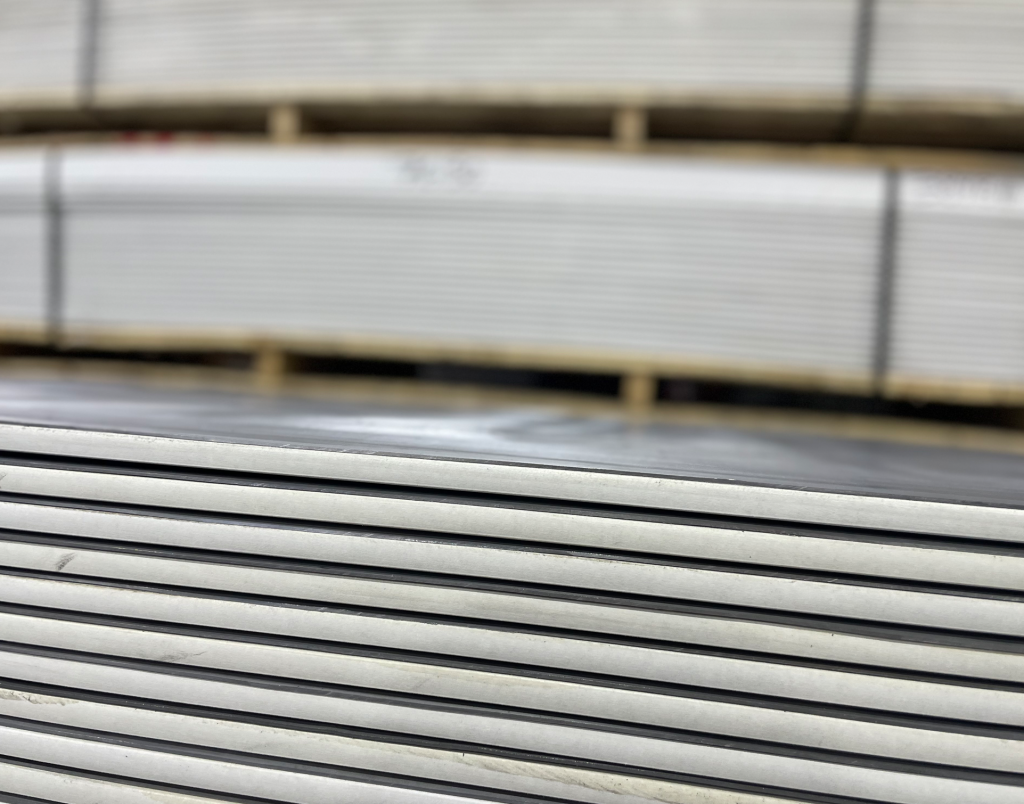
Some projects require a lead bonded to plywood, drywall, or other substrates. These assemblies simplify installation and improve integration with building systems. They are commonly used in healthcare and industrial construction projects.
Custom Fabricated Components
Facilities with unique layouts often require custom-fabricated lead shielding solutions. Curved surfaces, angled ceilings, and specialized equipment rooms may benefit from factory-fabricated components. Custom fabrication helps maintain continuous shielding coverage throughout the installation.
Step-by-Step Process for Installing Sheet Lead
Proper installation is essential for maintaining shielding effectiveness. A structured approach helps prevent gaps and long-term performance issues. These are the basic steps. If you’d like to know more, Canada Metal can help.
Verify Structural Support
Lead shielding materials add significant weight to walls and structural systems. Engineers should confirm that framing systems can support the required load before installation begins.
Measure and Cut Material
The sheet lead should be cut to precise dimensions. Proper measurements help reduce waste and support consistent overlap at seams and transitions.
Maintain Continuous Coverage
Special attention should be given to door frames, utility penetrations, electrical boxes, and service openings. Continuous shielding coverage helps prevent radiation leakage through vulnerable areas.
Secure Panels Correctly
Panels should be fastened using hardware appropriate for the substrate and total assembly weight. Proper fastening helps maintain long-term structural stability.
Conduct Final Verification
Post-installation inspections help verify shielding continuity. Qualified personnel can evaluate seams, penetrations, and transitions before the facility becomes operational.
Advanced Considerations for Lead Sheet in Canada
Organizations sourcing lead sheet in Canada must evaluate both material performance and regulatory obligations. Environmental handling requirements and long-term maintenance considerations play an important role in project planning.
Environmental Compliance and Recycling
Canadian regulations establish requirements for handling, recycling, and disposal of lead-containing materials. Facilities should incorporate these considerations into lifecycle planning. Proper material management helps reduce compliance risks.
Long-Term Durability
Lead shielding materials maintain their performance over extended service periods. Routine inspections can identify surface damage, oxidation, or mechanical wear before they affect performance. Preventive maintenance helps preserve shielding effectiveness.
Comparing Alternative Shielding Materials
Some projects evaluate polymer-based shielding products as alternatives to lead. These materials may offer advantages in certain applications. However, long-term performance, durability, and attenuation requirements should be assessed carefully before material selection.
Also Read:
How Modern Sheet Lead Installation Compares to Outdated Practices
How Sheet Lead Contributes to High-Performance Soundproofing in Buildings
Next Steps for Sourcing Sheet Lead
Material verification remains an important part of project planning. Technical documentation helps confirm that shielding products meet specified requirements.
Reviewing Technical Documentation
Engineering submittals, material certifications, and product data sheets provide critical information for project teams. These documents help verify thickness, composition, and fabrication requirements before procurement.
Evaluating Supplier Capabilities
Organizations often assess fabrication capabilities, material availability, and documentation practices when selecting suppliers. Reliable sourcing can help reduce specification errors and procurement delays.
Supporting Long-Term Project Requirements
Facilities with radiation protection requirements benefit from early material evaluation and planning. Reviewing project requirements early can help support effective shielding performance throughout the facility lifecycle.