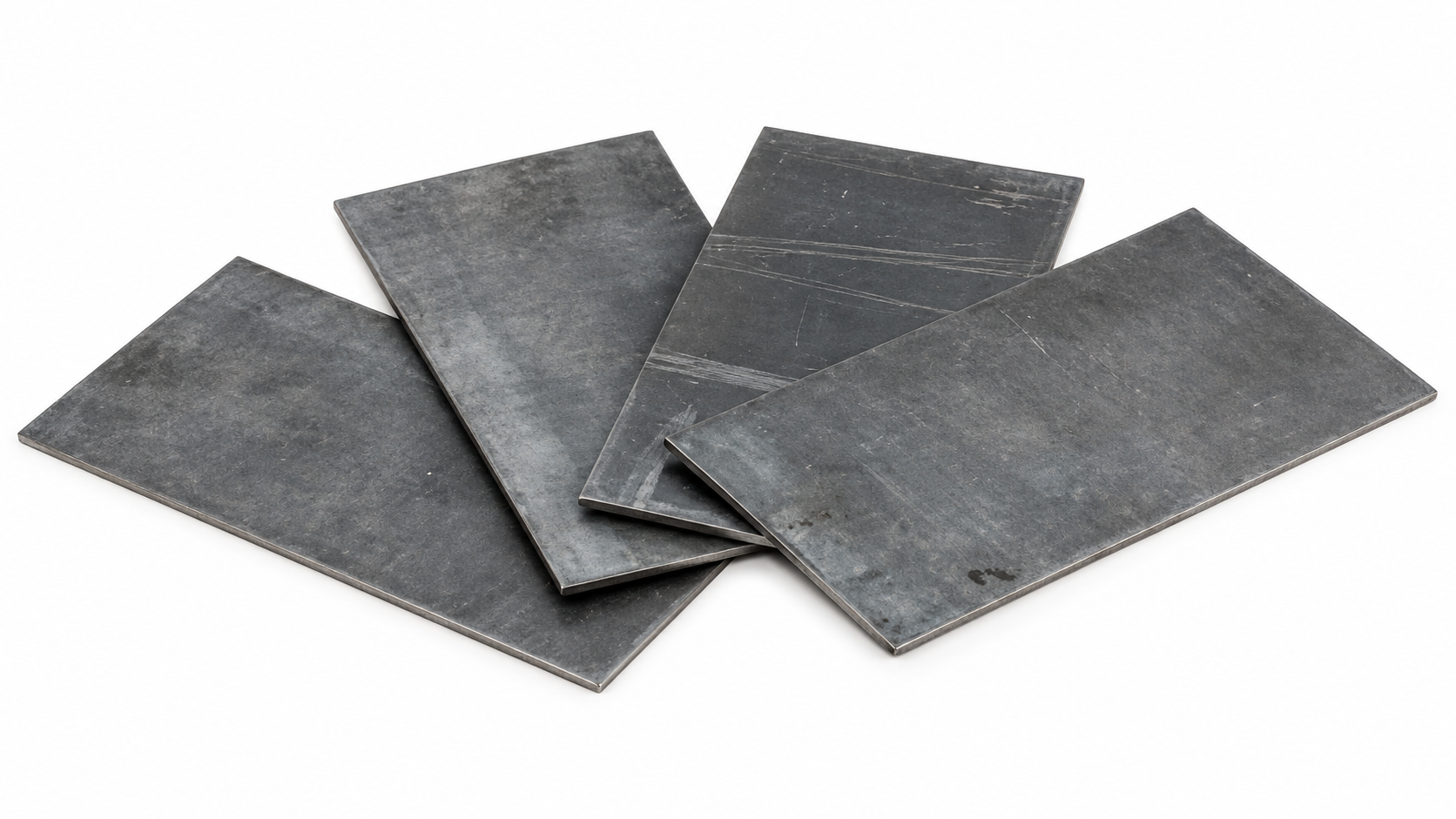
Lead and lightweight composite shielding can both support demanding radiation protection requirements. Suitability depends on the radiation source, platform constraints, qualification status, and program economics. A fair comparison of lightweight composite shielding should examine more than material weight or quoted price. It should compare finished assemblies using verified performance data. The objective is not to argue against composites. It is to show where each option creates value or added risk.
Protection Density
Lead combines high density with a high atomic number. These properties make it effective at attenuating X-rays and gamma rays within a compact thickness. Lead radiation shielding density is particularly valuable when a barrier must fit inside a restricted wall, enclosure, cabinet, or equipment cavity.
Composite performance depends on formulation. Some products combine dense fillers with a polymer binder. Others use layered materials for a specific radiation environment. Compare performance at the required attenuation, not at equal thickness.
Space-constrained applications may favour lead or a dense composite. Payload-critical platforms may accept greater thickness to reduce weight. Both require calculations for the actual radiation environment.
Weight
Lightweight composites provide a genuine advantage when platform mass affects payload, fuel capacity, range, or structural limits. Aerospace shielding material trade-offs often place weight near the centre of the decision.
Material density alone does not establish total weight. A lower-density product may require added thickness, layers, or framing. These additions can narrow the projected saving.
Teams should compare complete assemblies, including supports, fasteners, coverings, and secondary shielding. A modest saving may not justify change if the current design meets its weight allowance.
Certification and Track Record
Lead has an established history across nuclear, medical, research, and industrial shielding. Its fabrication and inspection practices are widely understood.
Shielding material certification still requires careful interpretation. CSA N299.3 defines quality assurance program requirements for suppliers serving nuclear facilities. It does not certify lead itself as universally suitable. Canada Metal North America can manufacture radiation shielding under its ISO 9001:2015 quality system and meet CSA N299.3 requirements when applicable.
Composite qualification depends on formulation, manufacturing process, and application. Some systems have established records in defined uses. Others require added testing. Existing approvals must cover the proposed product, supplier, geometry, and environment.
Total Program Cost
Material price is one component of total program cost shielding analysis. A switch may require engineering review, requalification, tooling, updated drawings, inspection changes, and supplier onboarding.
Different materials may require new handling, joining, storage, repair, or disposal procedures. A lighter assembly may reduce operational costs. Familiar materials may reduce schedule risk.
Supply reliability also matters. Raw material access, capacity, consistency, documentation, and change control affect multiyear programs. The comparison must measure the installed and supported system.
Which Material Fits Which Program?
Lead may fit programs requiring compact shielding, established fabrication, compliance continuity, and predictable supply. Examples include fixed installations, shielded rooms, industrial equipment, and designs already qualified around lead.
Lightweight composites may fit platforms with strict mass limits or complex shapes. Their advantage must remain measurable after accounting for supporting components, testing, and qualification.
The decision framework should consider:
- Radiation type and energy
- Required attenuation
- Space and weight limits
- Existing material approvals
- Requalification requirements
- Fabrication and installation needs
- Total program cost
- Supplier traceability and continuity
The radiation shielding materials and procurement guide places these comparisons within the broader specification and supplier evaluation process.
Selecting From Program Evidence
There is no universal winner between lead and lightweight composites. Each program must balance shielding performance, weight, qualification, cost, and supply risk.
Canada Metal North America’s certified quality systems and established lead radiation shielding capabilities make lead a proven, lower-risk option where protection density and compliance continuity matter most. Where platform mass dominates, a qualified composite may provide greater value. The sound choice is supported by complete program evidence, not one isolated advantage.